Did you know that understanding car accident types can significantly enhance your driving safety? Knowing the implications of different collisions can empower you to make informed decisions on the road.
What You Will Learn
- Car accidents in Melbourne are classified into categories: head-on collisions, rear-end crashes, T-bone accidents, and more, each with unique risks.
- Recognizing common factors like distracted driving and adverse weather can help prevent accidents and improve safety.
- Understanding collision types can streamline insurance claims and inform legal decisions, ensuring you know your rights.
- Knowledge of accident categories enhances overall driver awareness, encouraging safer driving practices and defensive techniques.
Melbourne Car Accident Classifications & Contributing Factors
This visual outlines common car accident types and the factors that contribute to them, highlighting their implications for drivers.
Types of Car Accidents
- ✓Head-On: Frontal collision, often severe.
- ✓Rear-End: One vehicle hits another from behind.
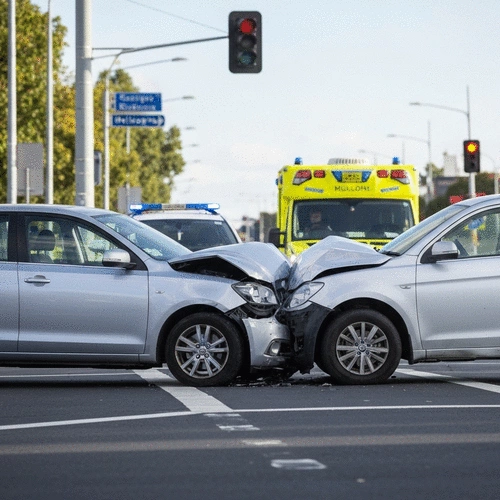
- ✓T-Bone: Side impact, common at intersections.
- ✓Side-Swipe: Vehicles brush against each other.
- ✓Rollover: Vehicle tips onto its side or roof.
- ✓Multi-Vehicle: Involves more than two vehicles.
Contributing Factors
- ●Distracted Driving: Texting, adjusting radio.
- ●Weather Conditions: Rain, fog, heavy winds.
- ●Reckless Behaviors: Speeding, aggressive driving.
Importance of Knowing
- ●Improved driver awareness.
- ●Enhanced insurance claims.
- ●Informed legal decisions.
Understanding Car Accidents in Melbourne
As someone deeply invested in automotive safety, I often think about the complexities surrounding car accidents in Melbourne. A car accident isn't just a single event; it's a classification of various incidents that can occur on our roads, each with its own unique factors and implications. Understanding how these types of accidents are defined can help drivers like you stay informed and proactive in preventing incidents. For detailed insights into local road safety, you can refer to the Road Safety Quarterly Statistics from June 2024 provided by the Transport Accident Commission (TAC).
In Melbourne, car accidents can be broadly categorized into several types based on their nature and circumstances. These classifications include head-on collisions, rear-end crashes, T-bone accidents, side-swipe incidents, rollover accidents, and multi-vehicle collisions. Being aware of these categories is crucial because it not only aids in prevention efforts but also impacts your approach to insurance claims if you ever find yourself in such a situation. Further information and data on road crashes in Victoria are available through Victoria's Road Crash Data.
What Defines Car Accidents?
Car accidents can be defined as any incident involving one or more vehicles that results in property damage, injury, or loss of life. Each type of accident presents distinct characteristics and outcomes. For example, a head-on collision typically involves two vehicles crashing into each other from opposite directions, while a side-swipe accident occurs when two vehicles brush against one another while navigating parallel lanes.
- Head-On Collisions: Often severe, these occur when vehicles collide frontally.
- Rear-End Collisions: Commonly caused by sudden stops, these accidents often involve one vehicle hitting another from behind.
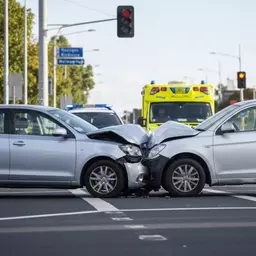
- T-Bone Accidents: This happens when one vehicle strikes another at a perpendicular angle, frequently at intersections.
By categorizing car accidents, we can better understand their potential risks and the necessary precautions to take when driving in Melbourne. Each type has its own set of challenges that drivers must be aware of, allowing them to make informed decisions while on the road.
The Importance of Knowing Collision Types
Understanding the different types of car accidents is not just academic—it's practical. The more you know about these collisions, the better equipped you are to prevent them or respond effectively should you be involved in one. For instance, knowing that rear-end collisions are prevalent can encourage you to maintain a safe following distance, reducing the likelihood of such an incident.
- Improved driver awareness: Recognizing potential hazards can help you avoid accidents.
- Enhanced insurance claims: Knowing accident types can streamline your claims process.
- Informed legal decisions: Understanding collision types can help you determine liability.
Moreover, this knowledge can pave the way for safer driving practices. At Pitstop Guide, we emphasize the importance of education in promoting road safety. When you can identify the risks associated with different types of collisions, you're more likely to adopt defensive driving techniques. For a comprehensive overview of road safety statistics, you can visit the TAC Road Safety Statistical Summary.
Common Factors Contributing to Car Accidents in Melbourne
In Melbourne, various factors contribute to car accidents, and understanding these can help you become a more cautious driver. Some of the most common factors include distracted driving, adverse weather conditions, and reckless driving behaviors. Each of these elements can significantly increase the likelihood of an accident.
- Distracted Driving: Activities such as texting or adjusting the radio can divert your attention away from the road.
- Weather Conditions: Rain, fog, and heavy winds can create hazardous driving conditions.
- Reckless Behaviors: Speeding or aggressive driving can lead to dangerous situations on the road.
As an advocate for automotive safety, I encourage you to remain vigilant about these factors. By identifying and mitigating these risks, you can play a significant role in reducing accidents and improving overall road safety in Melbourne.
Classification of Car Accidents in Melbourne
Understanding how car accidents are classified can be beneficial for both prevention and recovery. In the following sections, we'll delve deeper into each type of accident, exploring the causes, prevention strategies, and relevant laws that can help you navigate the complexities of driving in our vibrant city.
Pro Tip
Did you know that maintaining a safe following distance of at least three seconds behind the vehicle in front of you can significantly reduce the risk of rear-end collisions? This simple adjustment can help you react better in emergencies and keep everyone on the road safer.
Frequently Asked Questions About Car Accidents in Melbourne
Here are some common questions about car accidents and their classifications:
- What are the main types of car accidents discussed?
The article discusses head-on collisions, rear-end crashes, T-bone accidents, side-swipe incidents, rollover accidents, and multi-vehicle collisions. - Why is it important to know about different collision types?
Understanding collision types improves driver awareness, helps streamline insurance claims, and aids in making informed legal decisions regarding liability. - What are some common factors contributing to car accidents in Melbourne?
Distracted driving, adverse weather conditions, and reckless driving behaviors like speeding and aggressive driving are common contributing factors. - How can I improve my road safety in Melbourne?
You can improve road safety by maintaining a safe following distance, avoiding distractions, adjusting speed to conditions, staying aware of surroundings, and participating in road safety education programs. - Where can I find more statistics or information on road safety in Victoria?
You can find more statistics and information on road safety from the Transport Accident Commission (TAC) and Victoria's Road Crash Data.
Summary of Car Accident Types and Their Implications
In Melbourne, understanding the various types of car accidents is crucial for every driver. Each accident type, whether it be a head-on collision, rear-end crash, or T-bone incident, carries its own set of implications. These can affect your insurance claims, potential liabilities, and most importantly, your safety and that of your passengers.
As we recap the predominant categories of car accidents, it's essential to recognize how they can impact your driving habits and decision-making on the road. Here’s a quick overview:
- Head-On Collisions: Often result in serious injuries due to the force of impact.
- Rear-End Collisions: Commonly arise from sudden stops, making awareness of following distances vital.
- T-Bone Accidents: Frequently occur at intersections and highlight the need for caution when approaching traffic signals.
- Side-Swipe Collisions: Typically happen in busy lanes, emphasizing the importance of maintaining clear sightlines.
- Rollover Accidents: Can lead to severe injuries, particularly with larger vehicles, underscoring the need for safe driving practices.
- Multi-Vehicle Accidents: Can complicate liability and insurance claims, making it crucial to understand your rights and responsibilities.
By familiarizing yourself with these accident types, you can become a more informed and cautious driver, which ultimately contributes to a safer Melbourne community.
Encouraging Safe Driving Practices and Community Awareness
At Pitstop Guide, we believe that fostering a culture of safe driving is everyone's responsibility. Every time you get behind the wheel, you have the power to make choices that enhance not just your safety but also that of others on the road. Let’s work together to create a safer Melbourne! Here are some practical tips to keep in mind:
- Always wear your seatbelt and ensure all passengers do the same.
- Avoid distractions like mobile devices while driving.
- Adjust your speed according to road conditions, especially during inclement weather.
- Stay aware of your surroundings and the behavior of other drivers.
- Participate in community safety initiatives and awareness campaigns.
Your commitment to safe driving can influence others. By being mindful, we can collectively reduce accidents and create a supportive network of responsible drivers in our community!
The Importance of Road Safety Education in Melbourne
Education is vital to improving road safety. I’ve seen firsthand how knowledge can empower individuals to make safer driving choices. In Melbourne, various community programs and safe driving courses are available, aiming to enhance driver education and promote awareness. Here are some resources you might consider:
- Local Driving Schools: Many offer comprehensive courses focusing on defensive driving techniques.
- Community Workshops: These provide insights into traffic laws and safety measures.
- Online Resources: Websites like VicRoads offer valuable information about road safety tips and statistics.
- Support Groups: Engaging with local organizations that focus on road safety can provide additional support and education.
By participating in these educational opportunities, you're not just enhancing your skills—you're also contributing to a culture of safety in our beloved city.
Join the Conversation: Share Your Experiences and Insights
Every person has a unique story when it comes to car accidents. I encourage you to join the conversation and share your experiences with car accidents in Melbourne. Your insights could help others navigate their situations more effectively and foster a community of learning and support.
Have you encountered an accident? Maybe you’ve learned valuable lessons along the way? Sharing these stories can be incredibly powerful and can ignite discussions that lead to greater awareness and safer roads for everyone. Let’s build a supportive community together!
Recap of Key Points
Here is a quick recap of the important points discussed in the article:
- Car accidents in Melbourne can be categorized into several types: head-on collisions, rear-end crashes, T-bone accidents, side-swipe incidents, rollover accidents, and multi-vehicle collisions.
- Understanding these classifications helps in prevention and impacts insurance claims and liability decisions.
- Common factors contributing to car accidents include distracted driving, adverse weather conditions, and reckless driving behaviors.
- Adopting defensive driving techniques and maintaining awareness of surroundings can significantly enhance road safety.
- Participating in local driving schools and community workshops can improve driver education and awareness.
- Fostering a culture of safe driving benefits not only individual drivers but the community as a whole.