In the wake of a car crash, chaos can reign supreme. However, knowing the essential steps to follow can empower you to take control of the situation. From ensuring safety to understanding your legal rights, this guide provides a roadmap for navigating the aftermath of an accident.
What You Will Learn
- Prioritize safety by moving to a secure location and activating hazard lights.
- Check for injuries and provide reassurance to those affected until help arrives.
- Contact emergency services promptly and provide clear information about the incident.
- Document the scene effectively with photos, notes, and witness contact information.
- Understand your legal obligations for reporting accidents and when to involve the police.
- Initiate your insurance claim as soon as possible, providing all necessary documentation.
- Familiarize yourself with the claims process and how liability affects your compensation.
- Seek medical attention, even for minor injuries, and document all treatments received.
- Prepare for future incidents by keeping an emergency kit in your vehicle.
- Learn about TAC/CTP claims to cover medical expenses and rehabilitation costs after an accident.
Key Steps After a Car Crash: A Visual Guide
Navigating the aftermath of a car accident can be overwhelming. This visual guide simplifies the essential immediate and follow-up actions, ensuring you stay safe and informed.
1. Ensure Safety & Check for Injuries
Move to a safe location, activate hazard lights. Check for injuries in yourself and others; do not move injured persons unless in immediate danger.
- ✓ Safe location
- ✓ Hazard lights
2. Contact Emergency Services (000)
If injuries are present, dial 000 immediately. Provide clear location, accident type, and injury details to the operator.
- ✓ Exact location
- ✓ Injury details
3. Document the Scene & Exchange Details
Take photos of damage, surroundings, and collect contact/insurance information from all involved parties.
- ✓ Photos & Notes
- ✓ Driver details
4. Gather Witness Statements & Contact Info
Politely ask bystanders for their account of the accident and collect their names and contact information.
- ✓ Witness accounts
- ✓ Contact details
5. Initiate Insurance Claims
Contact your insurance provider as soon as possible. Provide all necessary details, including photos and witness information.
- ✓ Notify insurer
- ✓ Provide documentation
6. Seek Medical Attention
Even if you feel fine, get a medical check-up. Some injuries might not be immediately apparent.
- ✓ Visit healthcare professional
- ✓ Document treatments
Essential Steps to Take Immediately After a Car Crash in Melbourne
Experiencing a car crash can be incredibly disorienting. The first thing I want you to remember is to stay calm. After ensuring your own safety, it's important to focus on the necessary steps you need to take. Here’s a clear outline to help guide you through this challenging time.
Ensure Your Safety First
Your safety is the top priority after a crash. If possible, move your vehicle to a safe location away from traffic. Don't forget to turn on your hazard lights to alert other drivers. Take a moment to assess the situation to ensure that you and your passengers are out of harm's way.
- Move to a safe location if the vehicle is drivable.
- Activate hazard lights as a warning signal.
- Check surroundings for any potential dangers.
Staying aware of your environment can help prevent further accidents and ensures that you are in a safe spot while you address the next steps.
Checking for Injuries
After ensuring safety, it's crucial to check for injuries—both in yourself and others involved. Look for obvious signs of distress or injury. If someone appears hurt, do not attempt to move them unless there’s an immediate danger, as this can worsen their condition.
- Check yourself first for any injuries.
- Ask passengers and other involved parties if they need help.
- If necessary, stay calm and reassure those injured until help arrives.
Recognizing injuries early can assist emergency responders in providing appropriate care quickly.
Contact Emergency Services
Calling emergency services is an essential step after a car accident. If anyone is injured, dial 000 immediately. Provide the operator with clear and concise information including your location, the nature of the accident, and any injuries observed.
- State your exact location clearly.
- Describe the type of accident and if anyone is injured.
- Follow any instructions given by the operator until help arrives.
This information helps emergency services respond more effectively and ensures everyone gets the help they need promptly.
Documenting the Scene Effectively
Gathering evidence at the accident scene is vital for your insurance claim. Take photos of the vehicles involved, any visible damage, and the environment around the crash site. Additionally, exchange details with other drivers, including names, contact information, and insurance details. For reliable guidance on what information to gather, refer to the California Department of Insurance's guide on what to do after an accident, which offers a comprehensive checklist.
- Photograph vehicle damage from multiple angles.
- Note the time, date, and weather conditions.
- Collect witness contact information.
Good documentation can help clarify the circumstances surrounding the accident, which is crucial for any future claims or disputes.
Understanding Your Legal Obligations
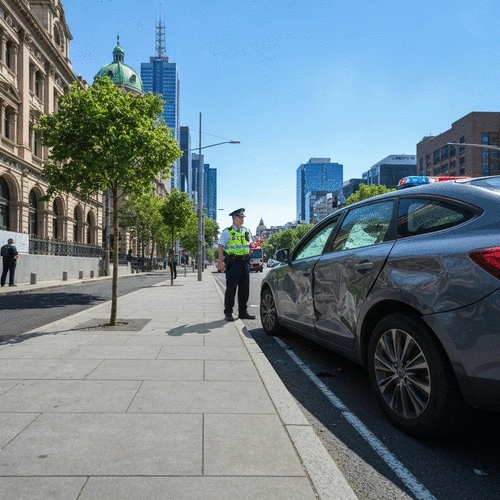
In Melbourne, you are legally required to report certain accidents to the police. If there are injuries or significant damage, you must file a report. Ensure you have the incident details ready, including the other party’s information and any witness accounts. The Department of Motor Vehicles (DMV) also provides valuable resources regarding legal requirements for accident reporting.
- Know when to report to the police.
- Understand VicRoads requirements for reporting.
- Check deadlines for filing accident reports.
Fulfilling these obligations not only keeps you compliant with the law but can also safeguard your rights following the accident.
Gathering Witness Statements and Contact Information
Witnesses can provide essential perspectives on the incident. After ensuring everyone’s safety, approach bystanders and ask for their accounts of what happened. Be sure to collect their names and contact details for future reference.
- Politely ask witnesses for their accounts.
- Document their contact information.
- Request permission to record their statements if possible.
Having witness statements can significantly strengthen your position with insurance companies and legal entities.
Initiating Insurance Claims for Your Car Crash
Notifying your insurance provider should be a top priority after a car crash. Reach out to them as soon as possible to begin the claims process. Be prepared to provide them with all necessary details regarding the accident, including photos and witness information. For an in-depth understanding of the claims process and your rights, the California Department of Insurance offers a comprehensive guide.
- Contact your insurer immediately after the accident.
- Gather all relevant documentation to support your claim.
- Ask about the claims process and timelines.
Being proactive with your insurance can help expedite your claim and resolve any issues that may arise.
Understanding the Claims Process and Accident Liability
The claims process can be overwhelming, but understanding how it works can make a significant difference. Liability plays a key role in determining who is responsible for the damages and injuries caused by the accident.
- Learn how fault is established in accidents.
- Know how liability affects your compensation.
- Communicate clearly with your insurer to avoid misunderstandings.
Grasping these concepts can help you navigate your claim more effectively and ensure you receive what you are entitled to.
Seeking Medical Attention Post-Crash
Even if you feel fine, it’s important to seek medical attention after an accident. Some injuries may not be immediately apparent. Schedule a check-up with your doctor to ensure everything is okay.
- Visit a healthcare professional as soon as possible.
- Document all medical visits and treatments.
- Follow your doctor's advice for recovery.
Your health should always come first, and knowing that you’ve been checked can provide peace of mind.
Preparing for Future Incidents with an Emergency Kit
Having an emergency kit in your car can make a world of difference. It’s a smart way to prepare for unexpected situations like a crash. Here are some essential items you should consider including in your kit:
- First aid supplies (bandages, antiseptic wipes, etc.).
- Flashlight and extra batteries.
- Blankets or emergency ponchos.
- A basic tool kit with a tire pressure gauge.
Being prepared can help you respond effectively in case of a car crash and ensure you have the resources you need on hand.
Understanding TAC/CTP Claims in Victoria
If you’ve been involved in a car accident, you may be eligible to make a claim with the Transport Accident Commission (TAC) in Victoria. This process helps cover medical expenses and rehabilitation costs.
- Understand what the TAC covers.
- Know how to lodge a TAC claim.
- Keep all your documentation for a smoother claims process.
Being informed about TAC claims can empower you to take the necessary steps for your recovery and financial stability after an accident.
Frequently Asked Questions (FAQs) About Car Accidents
- Q1: What are the immediate steps I should take after a car crash?
- A1: First, ensure your safety by moving to a secure location and activating hazard lights. Then, check for injuries in yourself and others, and contact emergency services (000) if injuries are present. Document the scene thoroughly with photos and exchange details with other involved parties.
- Q2: When should I contact emergency services?
- A2: You should dial 000 immediately if anyone is injured. Provide clear information about your location, the nature of the accident, and any observed injuries to help responders.
- Q3: Why is documenting the accident scene important?
- A3: Documenting the scene with photos of vehicle damage, surroundings, and collecting contact/insurance information is vital for your insurance claim. It helps clarify the circumstances for future claims or disputes.
- Q4: Do I need to report the accident to the police?
- A4: In Melbourne, you are legally required to report certain accidents, particularly if there are injuries or significant property damage. Be prepared with incident details and witness accounts.
- Q5: How soon should I initiate my insurance claim?
- A5: You should contact your insurance provider as soon as possible after the accident to begin the claims process. Provide them with all necessary details and documentation.
- Q6: Should I seek medical attention even if I don't feel injured?
- A6: Yes, it is crucial to seek medical attention even if you feel fine. Some injuries may not be immediately apparent, and a medical check-up ensures your health and provides documentation for potential claims.
- Q7: What are TAC/CTP claims, and how do they help?
- A7: In Victoria, TAC (Transport Accident Commission) claims help cover medical expenses and rehabilitation costs for those involved in a car accident. Understanding how to lodge a TAC claim can support your recovery and financial stability.
Pro Tip
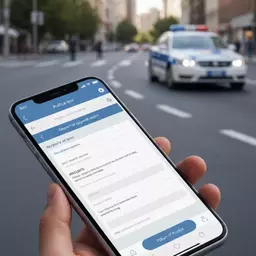
Did you know? Keeping a digital copy of your insurance documents and accident-related information on your smartphone can streamline the claims process after a car crash. This way, you’ll always have essential details at your fingertips, making it easier to report the incident and communicate with your insurer.
Wrap-Up: Your Immediate Action Plan After a Car Crash
After a car accident, it's essential to have a clear action plan. Remembering the key steps can help you navigate the aftermath effectively. Safety should always be your top priority, so ensure that you’ve moved to a secure location and turned on your hazard lights. Documentation is crucial—make sure to take photos, exchange information, and collect witness statements. Lastly, understanding your legal obligations will help you stay compliant and protected.
In the chaos following a crash, it's easy to feel overwhelmed. However, knowing what to do next will empower you to take charge of the situation. Keep this guide handy as a reference to remind you of the necessary steps.
What to Do Next: Additional Resources and Support
To further equip yourself in the event of a car accident, it’s wise to seek out additional resources. There are several avenues you can explore for support:
- Check out the Victorian Government’s transport website for guidelines and legal information.
- Contact your insurance provider for specific claims processes and assistance.
- Consider reaching out to a legal professional if you have questions about your rights or compensation.
These resources will not only ease your concerns but also provide clarity on the steps to take moving forward. I encourage you to familiarize yourself with these options to ensure you're prepared.
Stay Prepared: The Importance of Road Safety Awareness
Ongoing education about road safety is vital for all Melbourne drivers. Staying informed can significantly reduce the risk of accidents. Here are some ways to enhance your road safety knowledge:
- Participate in local road safety workshops.
- Stay updated on traffic laws and regulations in Victoria.
- Regularly review defensive driving techniques provided by organizations like NHTSA to minimize crash risks.
By being proactive and continuing to educate yourself, you’ll be better equipped to handle any situation on the road. Remember, safety is a shared responsibility, and awareness plays a key role.
Understanding Your Legal Rights After an Accident
It's essential to know your legal rights following a car crash. You are entitled to seek compensation for damages and injuries sustained in an accident. Here’s a quick overview of what you should be aware of:
- Your right to file a claim with your insurance company.
- The importance of understanding your coverage and policy limits.
- How seeking legal advice can clarify your rights regarding compensation.
Understanding these rights is crucial for ensuring that you receive the support you deserve. Don’t hesitate to consult a legal expert if you feel uncertain about any aspect of your situation.
Emotional Trauma and Post-Accident Care
The psychological impact of a car accident can often be overlooked. It's not uncommon to experience feelings of anxiety, fear, or distress after a crash. Seeking emotional support is just as important as attending to your physical injuries. Here are some steps to consider:
- Talk to friends or family about your feelings.
- Consider professional counseling if you find it hard to cope.
- Join support groups for accident survivors to share experiences.
Taking care of your mental health is vital, and it’s okay to seek help. Remember, you’re not alone in this journey, and support is available to guide you through.
Recap of Key Points
Here is a quick recap of the important points discussed in the article:
- Ensure your safety by moving to a secure location and activating hazard lights.
- Check for injuries among yourself and others before contacting emergency services.
- Document the accident scene thoroughly with photos and witness details.
- Understand your legal obligations regarding reporting the accident to the police.
- Notify your insurance provider immediately to start the claims process.
- Seek medical attention even if you feel fine, as some injuries may not be visible.
- Prepare an emergency kit for your vehicle to handle future incidents effectively.
- Stay informed about TAC/CTP claims and your legal rights regarding compensation.
- Prioritize emotional well-being by seeking support after experiencing trauma from the accident.