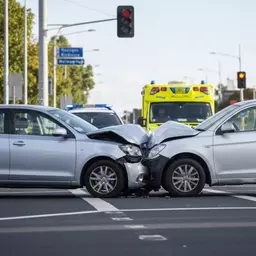
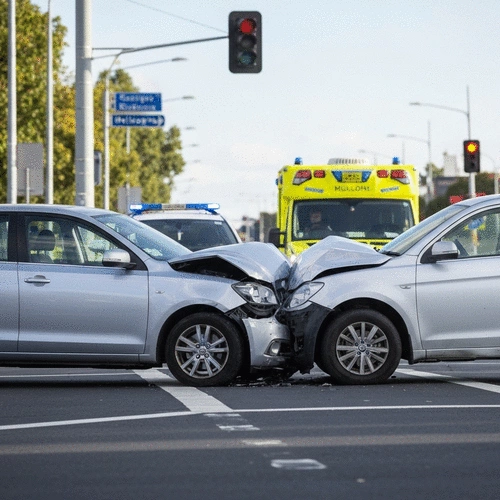
A minor car accident can leave a vehicle looking drivable while hiding faults that make the next start or short trip unsafe. Before driving again, check for injuries, leaks, damaged wheels, warning lights, and changes in how the key, remote, steering, brakes, or ignition behave. If the key, remote, or ignition is damaged, a Brighton automotive locksmith can assess the access issue separately from crash repairs.
Do not force a key that suddenly binds or repeatedly attempt to start a vehicle showing new electrical or mechanical problems.
Treat any new key or ignition issue as a symptom to investigate, not as an inconvenience to push through. A collision can affect body panels, steering components, electrical systems, or access hardware in ways that are not obvious from the driver's seat. The safest sequence is to secure the scene, document what changed, decide whether the car is fit to move, and then separate access problems from crash-repair work.
Start With Safety Before Checking the Key
The first task after a minor car accident is to make the scene safe. Stop, switch on the hazard lights, check yourself and passengers for injuries, and move away from active traffic when it is safe to do so. If anyone is injured, trapped, or in immediate danger, call Triple Zero.
Do not let a working engine convince you that the car is safe to drive. A vehicle can start normally while still having damaged steering, a compromised tyre, a fluid leak, broken lighting, loose bodywork, or another fault that matters once the car moves.
Pitstop's post-crash steps for Melbourne drivers cover the broader sequence of securing the area, checking for injuries, documenting the scene, and beginning the insurance process. Use that sequence first. Key and ignition checks come after immediate safety.
Before attempting to move the vehicle, look for:
-
fuel, coolant, oil, or other fluid under the car
-
a wheel that sits at an unusual angle
-
a flat or visibly damaged tyre
-
loose bumper, guard, bonnet, or underbody parts
-
cracked or broken lights needed for safe driving
-
steering that feels unusually heavy, loose, or off-centre
-
brake pedal behaviour that feels different from before the crash
-
smoke, burning smells, sparking, or repeated electrical warnings
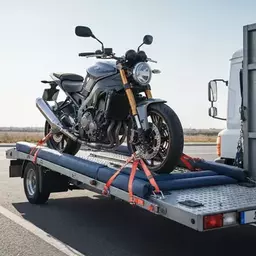
If any of those signs are present, arrange an assessment or tow instead of treating the crash as cosmetic damage.
Check the Key, Remote, and Ignition Before Repeated Start Attempts
A vehicle-key problem after an impact should be checked methodically. The goal is to identify what changed without turning a small access problem into a damaged key, lock, ignition barrel, or electrical fault.
Start with the key itself. If you use a physical key blade, inspect it for bending, twisting, fresh marks, or a damaged plastic head. Compare it with a spare key if one is available. Do not try to straighten a visibly bent key and then force it into the ignition or door lock.
For a remote key or smart key, check whether the normal functions still work:
-
Does the car unlock and lock from the remote?
-
Does the vehicle recognise the key when you approach?
-
Does the start button respond normally?
-
Does the dashboard show a key, immobiliser, security, or "key not detected" warning?
-
Does the spare key produce the same result?
A spare key is useful because it helps separate a damaged key from a vehicle-side problem. If the spare works normally while the crash-day key does not, the key or remote needs closer attention. If neither key works, the vehicle may have an electrical, immobiliser, battery, antenna, or ignition-related problem that needs diagnosis.
Do not keep cycling the ignition or start button when the vehicle behaves abnormally. Repeated attempts add little useful information and can make diagnosis harder if the battery is already weak after the collision.
Do Not Force an Ignition That Suddenly Feels Different
A key that entered and turned normally before the collision should not suddenly require extra force. Resistance, binding, partial rotation, or a key that will not release deserves attention before you drive.
First, make sure the steering lock is not creating normal resistance. With the vehicle stationary and secure, gently move the steering wheel while using normal key pressure. If the key still binds, stop rather than increasing force.
Also check whether the gear selector is fully in Park on an automatic vehicle. Some vehicles will not release or rotate the key correctly if the selector position is not recognised. On push-button vehicles, check whether the brake pedal input, key recognition, and transmission position are being detected normally.
The important distinction is between a normal interlock and a new post-impact fault. If the behaviour began immediately after the crash, document it as part of the vehicle condition. Do not assume a damaged ignition or key system is part of panel repair work. Access hardware, transponder recognition, ignition components, and body damage can require different trades and different diagnostic steps.
Document the Vehicle Before Repair, Towing, or Key Work
Good documentation protects the sequence of events. Photograph the vehicle before parts are moved, the battery is disconnected, the car is towed, or a damaged key is replaced.
Take wide photos that show the entire vehicle and its position, then closer photos of each damaged area. Include wheel position, broken lights, displaced panels, glass damage, fluid on the ground, and anything interfering with a door, bonnet, or boot.
Then record the key and ignition symptoms. A short video can show whether the remote unlocks the vehicle, whether the dashboard recognises the key, which warning messages appear, and what happens during a normal start attempt. Do not film while standing in live traffic or while operating the vehicle unsafely.
Pitstop's guide to vehicle damage assessment explains why visible panel damage is only one part of a post-crash check. Your notes should distinguish what was clearly damaged by the collision from faults first noticed afterwards.
Useful records include:
-
date, time, and exact location of the collision
-
photos of both vehicles before they are moved, when safe to take them
-
registration, licence, contact, and insurance details for other drivers
-
witness contact details
-
dashboard warnings visible after the impact
-
whether the engine started normally before and after the crash
-
whether the remote, central locking, physical key, or spare key still worked
-
towing details if the vehicle could not be driven safely
The Australian Government's Moneysmart guidance says insurers may ask for the accident location, a description of damage, photos, police-report information, towing details, and witness contacts. Its July 2026 guidance also notes that about one in seven people with car insurance make a claim in a given year, with the average claim size just over $5,200.
Know When Police Reporting Becomes Part of the Process
Police attendance and formal reporting are not identical. The circumstances of the crash determine what you need to do, so use current Victorian guidance rather than assuming every low-speed collision is handled the same way.
Victoria Police states that when no one is injured and all involved parties have exchanged names and addresses, police will not normally make a formal traffic-accident report. Its current traffic accident report guidance also explains how reported crash information can later be used for insurance, legal advice, and loss recovery.
You should contact police or emergency services when the circumstances require it, including injury, immediate danger, a driver who leaves without exchanging required details, or other reportable conditions. If you are unsure about the reporting requirement for your situation, check current Victoria Police or Transport Victoria guidance rather than relying on memory.
Pitstop also has a Victoria crash reporting checklist that can help you organise the information you need after the scene is safe.
Avoid arguing about fault at the roadside. Record what happened, exchange the required details, and let insurers or relevant authorities assess liability from the available evidence.
Tell Your Insurer About New Key or Ignition Symptoms
When you contact your insurer, describe all crash-related symptoms, not only visible dents and scratches. A remote that stopped working, a key that no longer turns normally, a door that will not unlock, or a new ignition warning can affect how the vehicle is assessed.
Give the insurer a factual sequence:
-
what worked immediately before the crash
-
where the vehicle was struck
-
what changed immediately afterwards
-
whether the vehicle was moved under its own power
-
whether a spare key was tested
-
which warning lights or messages appeared
-
whether any locksmith, roadside, towing, or repair work occurred before the claim was lodged
Do not replace evidence before recording it. If a damaged key needs urgent work so the vehicle can be secured, photograph it first and keep the replaced part where practical. Ask the service provider for an invoice that identifies the work completed.
If you are preparing a claim, Pitstop's guide to filing a car insurance claim in Melbourne covers the broader documentation and claim process.
Insurance coverage depends on the policy. A locksmith assessment, replacement key, ignition repair, towing charge, panel repair, or electrical diagnosis may be treated differently depending on the cause and policy terms. Ask the insurer before authorising non-urgent work when you expect reimbursement.
When Is It Safe to Drive After a Minor Crash?
A car should only be driven after a minor crash when there is no reasonable sign that the collision has affected a safety-critical system or created a hazard. Cosmetic appearance alone is not enough to make that decision.
RACV's March 2025 post-crash guidance says drivers should ensure essential controls such as brakes, steering, and lights are functioning properly before continuing. It also identifies leaking fluids, engine damage, unsafe bodywork, and failed brakes or lights as reasons a vehicle may need towing.
Before driving, confirm all of the following:
-
the vehicle starts and shuts down normally
-
the key can be inserted, turned, removed, or detected normally
-
there are no new immobiliser or security warnings
-
the steering operates normally through its usable range
-
the brake pedal feels normal
-
no tyre is damaged or rubbing against bodywork
-
no panel or underbody part can detach or contact a wheel
-
required lights work
-
no fluid is leaking
-
the driver's door opens and closes securely
-
mirrors and visibility are adequate
If the key or ignition works but one of these other checks fails, the vehicle can still be unsafe to drive. A locksmith can resolve an access or ignition issue, but that does not certify collision damage, suspension, braking, steering, airbags, or roadworthiness.
That separation matters. Do not use a successful key repair as proof that the vehicle itself is ready for the road.
A Practical Post-Crash Key and Vehicle Checklist
Use this checklist once everyone is safe and the immediate crash scene is under control.
Before touching the ignition
-
photograph visible collision damage
-
check for leaks, smoke, loose parts, and tyre damage
-
note any dashboard warning that appeared after impact
-
inspect the key blade or remote for obvious physical damage
During one normal access and start check
-
test lock and unlock functions
-
confirm the vehicle recognises the correct key
-
use normal pressure only in a physical ignition
-
stop if the key binds or the ignition behaves differently
-
note any security, immobiliser, battery, or key warning
Before moving the vehicle
-
check steering and brake feel
-
check required lights
-
confirm no panel is rubbing on a tyre
-
make sure the driver's door secures correctly
-
confirm there is no active leak or burning smell
-
arrange towing if any safety-critical condition is uncertain
Before repair or claim follow-up
-
save photos and videos in one folder
-
write a short timeline while the event is fresh
-
record driver, witness, police, and towing details
-
tell the insurer about key and ignition symptoms
-
keep damaged keys or replaced parts where practical
-
keep invoices for locksmith, towing, assessment, and repairs
Separate Access Problems From Crash Repairs
The useful question after a low-speed collision is not simply, "Does the car start?" It is whether the vehicle can be accessed, started, controlled, and driven without a new fault affecting safety.
A damaged key or ignition can be assessed as its own access problem. Panel, suspension, steering, braking, airbag, and electrical damage need the appropriate crash-repair or mechanical assessment. Keeping those workstreams separate makes it easier to document what failed, what was repaired, and what still needs inspection.
If you are working through the aftermath of a collision, use Pitstop's Post-Crash Guide to keep the safety, reporting, damage, and insurance steps in order. If the vehicle develops a new key or ignition problem, record it before anyone forces, replaces, or resets components.