Have you ever found yourself in a car accident and wondered what you should do next? Understanding the process of reporting can significantly ease the stress of the situation. Knowing the steps to take not only ensures compliance with legal requirements but also protects your rights as a driver.
What You Will Learn
- Timely reporting of a car crash is essential for creating an official record, which aids in insurance claims and legal matters.
- In Victoria, certain accidents must be reported to the police within 24 hours to avoid penalties.
- Collecting detailed information at the scene, such as driver and vehicle details, is crucial for follow-up actions.
- Making safety a priority, including calling for medical assistance and using hazard signals, can help prevent further accidents.
Your Post-Crash Action Plan: A Visual Guide
Navigating the aftermath of a car accident can be overwhelming. This visual checklist outlines the critical steps to take, from immediate safety measures to formal police reporting and essential follow-up, ensuring you meet legal obligations and protect your interests. For a more detailed guide on what to do immediately after a collision, check out our article on after a car crash: next steps.
Immediate Actions (Post-Crash)
- ✓Ensure safety & call medical help if needed.
- ✓Move vehicles to a safe location (if possible).
- ✓Exchange driver/insurance info.
Information Collection (Scene)
- ●Other driver's name & contact.
- ●Insurance policy numbers.
- ●Vehicle make, model, registration.
- ●Photos of scene & damages.
Reporting Obligations (Victoria)
Mandatory within 24 hours if:
- ■Injuries to any party involved.
- ■Significant property damage.
- ■Unregistered vehicles/unlicensed drivers.
Victoria Police Reporting
- Emergency: 000
- Non-Emergency: 131 444
- Form 510: Complete & submit within 24 hours (in person/online).
- Record: Keep a copy for your records.
Understanding the Importance of Reporting a Car Crash to Victoria Police
When you're involved in a car accident, it can be a whirlwind of emotions and confusion. One of the first things you might wonder is how important it is to report the incident to Victoria Police. The truth is, reporting your crash is not just a legal requirement, but it's also crucial for your protection and future claims. Understanding this process can make the aftermath of an accident feel a little more manageable.

Timely reporting can help you document the situation while it's fresh in your mind. This can be invaluable, especially when you need to recall details later on. Plus, it helps authorities keep track of accident trends in your area, contributing to overall road safety. Remember, knowing what to do right after an accident can empower you to navigate the situation with confidence!
Why Timely Reporting Matters After a Vehicle Accident
Reporting a car crash in a timely manner ensures that you have an official record of the incident. This record can be crucial when dealing with insurance claims or legal matters. If you're uncertain about what to report, here are some key points to consider:
- It establishes a timeline of events, which can clarify liability.
- It helps in gathering witness statements while memories are still fresh.
- It provides important documentation for your insurance claims.
By taking the time to report the accident, you are laying the groundwork for any necessary follow-up actions. Whether it’s dealing with your insurance or pursuing legal advice, having that report is invaluable. For more details on protecting your interests, consider learning about understanding car insurance in Melbourne.
Legal Obligations: The 24-Hour Reporting Rule in Victoria
In Victoria, it’s mandatory to report certain types of accidents to the police within 24 hours. This includes accidents involving injury or significant property damage. Failing to report in this timeframe can lead to penalties, so it’s essential to know what qualifies as reportable:
- Injuries to any party involved in the crash.
- Damage to property exceeding a certain monetary threshold.
- Accidents involving unregistered vehicles or drivers without licenses.
Being aware of these legal obligations can save you from potential complications down the road. Reporting within the required timeframe not only keeps you compliant with the law but also protects your rights as a driver.
Your Step-by-Step Post-Crash Checklist
Once the immediate aftermath of a crash settles, it’s time to gather your thoughts and take action. Here’s a handy checklist to guide you through the necessary steps to ensure you’re fully prepared.
Immediate Actions to Take After a Car Accident
Knowing what to do immediately after a car accident can significantly impact the outcome of your situation. Here’s what you should prioritize:
- Ensure everyone is safe and call for medical help if needed.
- Move vehicles to a safe location if possible.
- Exchange contact and insurance information with the other driver.
Taking these initial actions can help prevent further accidents and ensure that everyone involved receives the assistance they need.
Collecting Driver and Vehicle Details: What You Need
Collecting the right information at the scene is crucial. Make sure you get:
- Name and contact details of the other driver(s).
- Insurance information, including policy numbers.
- Make, model, and registration of all vehicles involved.
- Photos of the scene and any damages.
These details will be vital for both insurance claims and police reports. Remember, the more thorough your documentation, the better equipped you’ll be to handle any follow-up actions.
Ensuring Safety at the Scene: First Aid and Hazard Prevention
Safety is the top priority. If anyone is injured, call for medical assistance immediately. Additionally, if it's safe to do so:
- Set up hazard lights to signal to other drivers.
- Use warning triangles or flares if available.
- Provide first aid to those in need, if you're trained and it's safe.
By taking these safety measures, you can help prevent further accidents and ensure that everyone gets the help they need promptly.
Essential Emergency Contacts: Who to Reach Out To
After ensuring everyone’s safety, it’s crucial to reach out to the right contacts. These may include:
- Your insurance provider to report the accident.
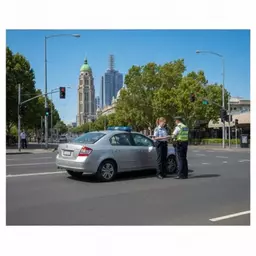
- Victoria Police, especially if injuries are involved or if the other driver flees.
- A trusted friend or family member for support during this stressful time.
Having these contacts readily available can streamline the process and relieve some of the burdens after an accident.
How to Report a Car Accident to Victoria Police
Reporting the crash to Victoria Police is a vital step in the recovery process. Here’s how you can do it effectively:
Contacting Victoria Police: The Right Numbers to Call
Depending on the seriousness of the accident, you can reach out to Victoria Police through the following:
- For emergencies, dial 000 immediately.
- For non-emergencies, call 131 444.
Be prepared to provide specific details about the accident, including location and circumstances. This enables them to dispatch help quickly.
Using Form 510: A Guide to Submission within 24 Hours
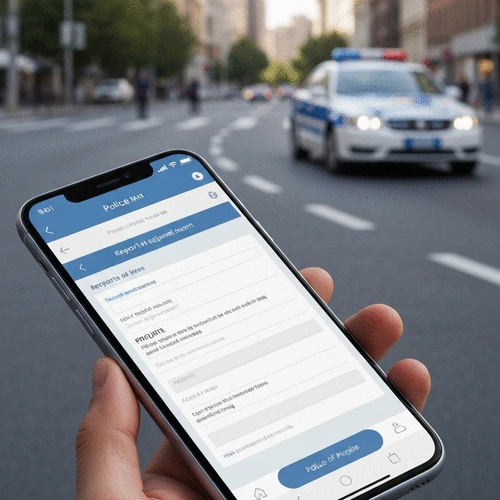
To report an accident formally, you’ll need to submit Form 510. This form allows you to detail the circumstances of the crash:
- Complete the form accurately and succinctly.
- Submit it in person at the nearest police station or online where applicable.
- Keep a copy for your records.
Submitting Form 510 within the required 24-hour window ensures that you meet your legal obligations while also protecting your rights. For insights into different types of collisions, explore Melbourne car accident types explained.
Pro Tip
Did you know? Keeping a detailed record of your accident can significantly streamline the claims process. Take photos of the scene, document witness statements, and gather all relevant information about the vehicles involved. This thorough documentation can bolster your case when dealing with insurance companies and law enforcement.
Wrapping Up Your Reporting Journey: Key Takeaways
As we reach the end of our discussion about car accident reporting, it's important to reflect on the key points that can help you navigate this challenging process. Proper documentation and timely reporting not only aid in your own recovery but also ensure that you're fulfilling legal obligations and protecting your rights.
Remember, every detail counts! From collecting information at the scene to reporting within the required timeframe, each step plays a crucial role in how your situation unfolds after a car accident.
Reflecting on the Importance of Proper Documentation and Reporting
Documentation is your ally when dealing with the aftermath of a crash. Keeping a comprehensive record of events can make all the difference when engaging with insurance providers and law enforcement. Here’s why it matters:
- Legal Compliance: Timely reporting helps you adhere to the 24-hour rule in Victoria.
- Accurate Claims: Having detailed accounts supports your insurance claims and protects your interests.
- Safety Records: Documenting incidents contributes to broader road safety initiatives, helping prevent future accidents.
By prioritizing proper documentation, you empower yourself in the recovery process. It’s not just about the immediate aftermath—it’s about safeguarding your future!
Get Help and Stay Informed: Resources for Victorians
Staying informed is crucial after a car accident. Thankfully, there are numerous resources available to assist you through this time. From understanding your rights to accessing necessary forms, you don't have to navigate this journey alone.
Helpful Links and Contacts for Further Assistance
Here’s a handy list of resources you might find useful:
- Victoria Police website - For information on reporting accidents and accessing forms.
- VicRoads - Details on traffic regulations and safety resources.
- Transport Accident Commission (TAC) - Guidance on claims and support services.
Utilizing these resources can help you stay updated and informed during this challenging period. Remember, knowledge is power!
Your Questions Answered: Common FAQs About Car Crash Reporting
- What should I do immediately after a crash? Ensure everyone's safety, collect information from all parties involved, and call for medical help if needed. Only move vehicles if it's safe and necessary to prevent further accidents.
- When is it mandatory to report a car accident to Victoria Police? In Victoria, it's mandatory to report accidents to the police within 24 hours if there are injuries to any party, significant property damage, or if unregistered vehicles or unlicensed drivers are involved.
- What information should I collect at the scene of an accident? You should collect the other driver's name and contact details, insurance policy numbers, vehicle make, model, and registration, and take photos of the scene and any damages.
- What is Form 510 and how do I submit it? Form 510 is a formal accident report form that details the circumstances of the crash. You need to complete it accurately and submit it either in person at a police station or online within 24 hours of the incident. Remember to keep a copy for your records.
- What are the non-emergency contact numbers for Victoria Police? For non-emergency situations after a car accident, you can call Victoria Police at 131 444. For emergencies, always dial 000.
Promoting Road Safety: Community Awareness Initiatives
At Pitstop Guide, we believe in promoting road safety and community awareness. Engaging with local initiatives can make a big impact. Consider participating in:
- Road safety workshops: Learn about safe driving practices.
- Community events: Join efforts to raise awareness about the importance of accident reporting.
- Volunteer opportunities: Get involved with organizations that promote road safety.
By staying engaged, we can collectively enhance road safety in Melbourne and support one another in the aftermath of accidents. Let's work together to make our roads safer for everyone!
Recap of Key Points
- Reporting a car crash to Victoria Police is a legal requirement and essential for your protection.
- Timely reporting helps establish a clear timeline, gather witness statements, and supports insurance claims.
- In Victoria, you must report certain accidents within 24 hours, especially those involving injuries or significant damage.
- Ensure safety at the crash scene by calling for medical help and moving vehicles if it's safe to do so.
- Collect vital information, including contact details, insurance info, and photos of the scene for documentation.
- Utilize Form 510 to formally report the incident to Victoria Police within the required timeframe.
- Stay informed about your rights and available resources to assist you after an accident.