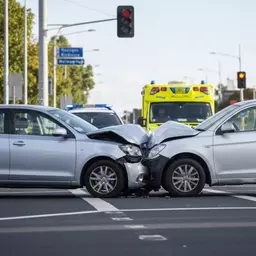

Did you know that over 10,000 car accidents are reported annually in Melbourne alone? Understanding the common injuries associated with these incidents can empower you and keep you safer on the roads.
What You Will Learn
- Recognizing early symptoms of common car crash injuries can lead to quicker recovery.
- Understanding the legal implications of car crash injuries can help in navigating compensation claims.
- Effective road safety practices, like obeying traffic signals and avoiding distractions, can significantly reduce accident risk.
- Emotional support services are crucial for recovery after a car accident, addressing both physical and mental health needs.
- Being informed about local medical and legal resources can facilitate better care and support following an accident.
Understanding Car Crash Statistics and Injury Types in Melbourne
Delve into the key statistics on car accidents in Melbourne and a quick recap of common injuries to look out for.
Annual Car Accident Statistics in Melbourne
- • Over 10,000 reported accidents annually.
- • Injuries range from minor to serious (TBI).
- • Significant percentage involve vulnerable road users.
Common Car Crash Injuries & Symptoms
- • Head Injuries: Confusion, dizziness.
- • Neck Injuries: Stiffness, pain (whiplash).
- • Back Injuries: Radiating pain, numbness.
- • Limb Injuries: Swelling, bruising (fractures).
- • Chest Injuries: Chest pain, difficulty breathing.
Understanding Common Car Crash Injuries in Melbourne
When it comes to driving in Melbourne, understanding common car crash injuries is crucial for everyone on the road. Accidents can happen in an instant, and being prepared means you can respond quickly and effectively should you or a loved one find yourselves in such a situation. My goal at Pitstop Guide is to empower you with the knowledge needed to navigate these challenges confidently.
Knowing about car crash injuries not only helps you recognize the signs but also assists in advocating for the right medical treatment and support. This understanding can make all the difference in ensuring a smoother recovery process for you or your passengers.
Why Knowing About Car Crash Injuries is Essential
It’s important to grasp the potential injuries you might face after a car accident. Recognizing symptoms early can lead to timely medical intervention, which can significantly improve outcomes. Here’s why staying informed is vital:
- Quicker Recovery: Identifying injuries promptly often leads to faster recovery.
- Informed Decisions: Knowledge allows you to make better choices regarding medical care and rehabilitation.
- Legal Awareness: Understanding injuries can help you navigate potential legal implications following a crash.
At Pitstop Guide, I believe that knowledge is power. You deserve to know what risks exist and how to handle them effectively!
Overview of Car Crash Injury Statistics in Melbourne
Statistics reveal just how prevalent car accidents are in Melbourne. In fact, reports show that thousands of accidents occur annually, resulting in various injuries. Understanding these numbers is crucial for assessing risk and taking preventive measures. For broader insights into crash data and injury prevention, the National Highway Traffic Safety Administration (NHTSA) provides valuable research and data on crash injuries.
- Over 10,000 reported accidents annually in Melbourne.
- Injuries range from minor bruises to serious conditions like traumatic brain injuries.
- A significant percentage of accidents involve vulnerable road users, including pedestrians and cyclists.
These statistics serve as a sobering reminder of the potential dangers on the road. The more we understand these risks, the better we can prepare ourselves and our families to stay safe.
The Importance of Road Safety and Accident Prevention
Promoting road safety is essential in reducing the number of accidents and injuries. Everyone has a role to play, whether you’re driving, biking, or walking. Here are some key strategies for enhancing road safety:
- Obey Traffic Signals: Following traffic laws is fundamental in preventing accidents.
- Stay Distracted-Free: Avoid using your phone or other distractions while driving.
- Wear Seatbelts: Always buckle up! It’s one of the simplest ways to protect yourself.
The National Safety Council (NSC) offers comprehensive information on injury facts and prevention strategies, while the CDC's transportation safety division provides data and resources on preventing road traffic injuries. At Pitstop Guide, I’m passionate about advocating for safe driving practices. By staying informed and taking proactive steps, we can work together to make Melbourne’s roads safer for everyone.
Interactive Poll: Your Experience Matters!
Have you or someone you know ever been in a car accident? We want to hear about your experience! What was the most challenging aspect of dealing with the aftermath?
Frequently Asked Questions (FAQs) About Car Crash Injuries
- Q1: What are the most common car crash injuries?
- A1: The most common car crash injuries include head injuries (like concussions), neck injuries (such as whiplash), back injuries (including disc herniation), limb injuries (fractures, sprains), and chest injuries (contusions, broken ribs).
- Q2: Why is it important to recognize car crash injury symptoms early?
- A2: Early recognition of symptoms can lead to quicker and more effective medical intervention, which significantly improves recovery outcomes and helps prevent long-term complications.
- Q3: How many car accidents are reported annually in Melbourne?
- A3: Over 10,000 car accidents are reported annually in Melbourne, leading to a range of injuries from minor to severe.
- Q4: What are some essential road safety practices?
- A4: Key road safety practices include obeying traffic signals, avoiding distractions (like mobile phones), and consistently wearing seatbelts. These practices can significantly reduce the risk of accidents and injuries.
- Q5: Why should I seek both medical and legal advice after a car accident?
- A5: Seeking medical advice promptly ensures that all injuries, including hidden ones, are assessed and treated. Legal advice helps you understand your rights, navigate the compensation process, and ensure you receive fair support for your recovery.
Wrapping Up: Key Takeaways for Injury Recognition
As we come to the end of our discussion, it's important to remember the common car crash injuries that can occur and their corresponding symptoms. Being informed can significantly aid in recognizing what to look for after an accident. Here’s a quick recap of the key injuries:
- Head Injuries: Look out for symptoms of concussions or TBIs, such as confusion or dizziness.
- Neck Injuries: Be aware of whiplash symptoms like stiffness or pain when moving your head.
- Back Injuries: Signs of disc herniation or bulging discs often include radiating pain or numbness.
- Limb Injuries: Common fractures may present as swelling and bruising, particularly in limbs.
- Chest Injuries: Chest pain or difficulty breathing are critical symptoms to watch for after a crash.
These injuries can have lasting effects, making it crucial to stay alert to any changes in your health. Don't hesitate to reach out for help if you experience any symptoms!
Encouragement to Seek Medical and Legal Advice
Your well-being is my top priority. If you’ve been in a car accident, it’s essential to seek both medical and legal advice as soon as possible. Medical professionals can assess hidden injuries, while legal experts can help you navigate your rights and the complexities of the compensation process. Don’t wait until symptoms worsen; early intervention can make a significant difference in your recovery.
At Pitstop Guide, we understand how overwhelming it can be to deal with the aftermath of a car crash. That’s why I encourage you to take the necessary steps towards healing and getting the support you deserve. Whether it’s contacting a doctor or a lawyer, being proactive is key!
Resources for Melbourne Residents
Local Medical Facilities and Specialists for Injury Care
In Melbourne, there are numerous medical facilities ready to assist you after a car accident. Here are some renowned options:
- Royal Melbourne Hospital: A leading facility offering comprehensive trauma care.
- St Vincent's Hospital: Known for its expert emergency services and rehabilitation programs.
- Melbourne Private Hospital: Provides a range of services including physiotherapy and specialist consultations.
Don't forget to ensure that the medical professionals you consult are familiar with accident-related injuries to get the best possible care.
Legal Resources for Car Accident Compensation in Melbourne
If you find yourself needing legal assistance, consider reaching out to these resources:
- Victoria Legal Aid: Offers free legal advice for those in need of guidance regarding their rights.
- Personal Injury Lawyers Melbourne: Specializes in helping accident victims navigate the compensation process.
- Law Institute of Victoria: A helpful platform to connect with qualified lawyers in your area.
These organizations can provide valuable insights into your legal options and help ensure you receive fair compensation for your injuries.
Victim Support Services Available in Melbourne
Finding emotional support after a car accident is just as essential as physical recovery. Here are some victim support services that can help:
- Victims of Crime Helpline: Provides emotional support and practical assistance.
- Beyond Blue: Offers mental health support for those affected by trauma.
- Headspace: Focuses on youth mental health services, especially for those coping with post-accident trauma.
Reaching out to these services can help you process your experience and find the emotional support you need during this challenging time.
Recap of Key Points
Here is a quick recap of the important points discussed in the article:
- Understanding Common Injuries: Recognize symptoms of head, neck, back, limb, and chest injuries after a car crash.
- Importance of Quick Recovery: Early identification of injuries can lead to faster recovery and better medical decisions.
- Road Safety Practices: Adhere to traffic signals, avoid distractions, and always wear seatbelts to prevent accidents.
- Seek Medical and Legal Advice: Consult professionals immediately after an accident for hidden injuries and to understand your rights.
- Utilize Local Resources: Familiarize yourself with local medical facilities and legal resources for support post-accident.