
What if the next moment could change everything? In the wake of a car accident, knowing how to act is not just important—it's essential. The steps you take in those first moments can significantly impact your recovery and legal standing.
What You Will Learn
- Immediate assessment of injuries is crucial for health and legal rights.
- Safety should be the first priority—move to a safe location and call emergency services.
- Document the accident thoroughly with photos, witness information, and a police report.
- Understanding your rights regarding injury compensation can empower you during recovery.
- Consulting a lawyer can clarify complex legal issues and ensure a fair claims process.
Action Plan After a Melbourne Car Accident
Navigating the aftermath of a car accident can be overwhelming. This guide outlines the crucial steps, from ensuring immediate safety to understanding your legal rights and documentation process. For a detailed guide on what to do immediately following a collision, refer to our after a car crash: next steps.
Immediate Safety & Emergency Response
- Check for injuries (self & others).
- Move to a safe location if possible.
- Call emergency services immediately.
Documenting the Accident
- Take photos of scene, vehicles, and injuries.
- Gather witness contact info.
- Request an official police report.
- Exchange details with other driver(s).
Medical & Legal Follow-Up
- Seek immediate medical evaluation.
- Understand TAC claim process.
- Consult a lawyer for complex cases/disputes.
- Be aware of claim submission deadlines.
Understanding the Immediate Steps After a Melbourne Car Accident
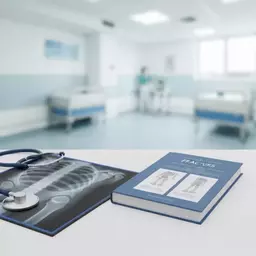
Have you ever found yourself in a car accident? If so, the moments that follow can be overwhelming. It's crucial to know what to do next. Immediately checking for any injuries—both yours and those of your passengers—is vital. This not only concerns health but also impacts your legal rights later on.
In the heat of the moment, adrenaline can mask pain. So, taking a moment to assess any discomfort is key. Injuries can range from visible wounds to internal issues, which may require professional evaluation. Remember, prioritizing safety is essential for everyone involved.
Why Checking for Injuries is Crucial
Checking for injuries isn't just a matter of physical health; it's also about protecting your legal rights. After an accident, any injuries sustained can influence the outcome of insurance claims or legal actions. If you or anyone else is injured, it’s important to seek medical help right away. This ensures you have a record of your condition, which can be critical later. For more information on common injuries and symptoms, visit our guide on car crash injuries: types and symptoms.
- Immediate medical evaluation helps document your injuries.
- Delaying treatment can jeopardize your recovery and legal position.
- Understanding your injuries can guide you in future legal actions.
Overall, quick action can aid in both your recovery and potential claims. Your health is paramount, and understanding the impact of injuries can provide clarity while navigating these stressful situations.
The Impact of Car Accident Injuries on Your Health and Legal Rights
Car accident injuries affect not only your well-being but also your legal standing. From minor bruises to significant trauma, any injury can complicate claims with the Transport Accident Commission (TAC) or insurance companies. If you’re aware of your rights, you can make informed decisions about your medical care and legal actions.
For example, you might be entitled to compensation for medical expenses, lost wages, and pain and suffering. Knowing how your injuries fit into this picture is essential. It empowers you during a potentially confusing time, making it easier to advocate for yourself and your loved ones.
Your First Actions at the Scene of a Melbourne Car Accident
When you find yourself at the scene of an accident, there's no need to panic. You can take charge of the situation through a series of practical steps. Ensuring safety is the top priority. Here’s what to do:
- Check if you or anyone else is injured.
- Move to a safe location if possible.
- Call emergency services to report the accident.
By focusing on safety first, you set the stage for a more manageable recovery process and legal proceedings.
Ensuring Your Safety and the Safety of Others
Before anything else, it’s crucial to ensure that you and others are safe. Assess your surroundings; if the vehicles are causing a hazard, try to move to a safe area if you’re able. This protects not only you but also other drivers and pedestrians nearby. Calling emergency services can’t be overstated—this alerts professionals who can provide immediate assistance.
Assessing Your Surroundings and Calling Emergency Services
When assessing the situation:
- Look for potential hazards—like leaking fuel or oncoming traffic.
- Check on all passengers and other drivers involved.
- Contact emergency services and provide clear information about your location and the nature of the accident.
Taking these steps ensures safety and expedites the help you may need. It’s an essential part of the process that can simplify the follow-up actions.
How to Document the Accident for Future Reference

After ensuring safety, it’s time to document the accident. Proper documentation is invaluable for insurance claims and any potential legal matters that may arise. Here’s how:
- Take photographs of the scene, vehicles involved, and any visible injuries.
- Gather contact information from witnesses.
- Request a police report to serve as an official record.
Having this information on hand will help you navigate the next steps more smoothly.
Gathering Essential Evidence: Photos, Witnesses, and Police Reports
Collecting evidence at the scene is crucial. Photos should capture:
- Vehicle positions and damage.
- Road conditions and any relevant traffic signs.
- Visible injuries, if safe to do so.
Also, make sure to talk to witnesses. Their testimonies can provide additional support for your case.
Understanding the Importance of a TAC Claim
In Melbourne, filing a TAC claim can help cover your medical expenses and loss of income as a result of the accident. It’s important to understand how this works. A TAC claim can support you during recovery and ensure you get the help you need.
Be sure to keep detailed records of your medical visits and expenses as these will be necessary when filing your claim.
Creating an Accident Report: What to Include
When documenting the accident, include the following details:
- Your personal information and insurance details.
- Information about the other driver(s) involved.
- A clear description of the events leading up to the accident.
- Time, date, and location of the incident.
This report will serve as a reference point for any claims or legal actions that may follow.
Frequently Asked Questions (FAQs)
- Q: What is the very first thing I should do after a car accident in Melbourne?
- A: The first thing you should do is check for injuries to yourself and any passengers. Then, move to a safe location if possible and call emergency services immediately.
- Q: Why is documenting the accident so important?
- A: Proper documentation, including photos, witness information, and a police report, is crucial for insurance claims and any potential legal matters that may arise. It helps clarify the circumstances of the accident and strengthens your case for compensation.
- Q: What is a TAC claim and why should I file one?
- A: A TAC (Transport Accident Commission) claim in Melbourne can help cover your medical expenses and loss of income resulting from the accident. It's important for supporting your recovery and ensuring you receive the necessary help.
- Q: When should I consider contacting a lawyer after a car accident?
- A: You should consider contacting a lawyer if your case is complex, if you feel pressured or confused by your insurance company, or if there are disputes about fault or compensation. A lawyer can provide expert guidance and advocate on your behalf.
- Q: What kind of information should I include in an accident report?
- A: An accident report should include your personal and insurance details, information about other drivers involved, a clear description of the events leading up to the accident, and the time, date, and location of the incident.
Engage with Us!
Have you ever experienced the aftermath of a car accident? What steps did you find most helpful during that time? Share your thoughts and experiences below:
Summarizing Your Steps After a Melbourne Car Accident
After experiencing a car accident, the steps you take can significantly influence your recovery and understanding of your rights. It’s essential to have a structured approach to ensure that documentation and medical follow-up are thorough. Missing any critical details may complicate your path to recovery and potential compensation. Here’s a brief look at why these elements matter:
- Documentation: Keeping accurate records helps clarify the circumstances of the accident.
- Medical Follow-Up: Regular check-ups are crucial to monitor any developing health issues.
- Claim Submission: Comprehensive evidence strengthens your case for compensation.
In short, being methodical now can save you from headaches later on. Remember, you deserve to feel secure about your health and rights, and that starts with being proactive.
Your Rights Regarding Injury Compensation in Victoria
As a resident of Victoria, it’s vital to understand your rights when it comes to injury compensation. Navigating this can seem overwhelming, but knowing the basics empowers you to take informed actions. Here are some key points to keep in mind:
- Victims' Rights: You have the right to seek compensation for medical expenses, lost wages, and rehabilitation costs.
- Legal Representation: Consulting with a lawyer can help clarify your rights and ensure you are treated fairly.
- Time Limits: Be aware of the deadlines for submitting claims, as missing them can jeopardize your case.
Understanding these rights not only gives you confidence but also allows you to advocate for yourself effectively. As your ally, Pitstop Guide is here to ensure you navigate these legal waters smoothly.
Understanding Victims' Rights and Legal Representation Options
Every accident victim has rights under the law, but what does that really mean for you? Knowing your rights can aid in your recovery and help you secure the support you need. Here are some avenues to explore:
- Compensation for Pain and Suffering: You may be eligible for compensation beyond just medical costs.
- Access to Legal Aid: There are resources available that can connect you with experienced legal professionals.
- Documentation Requirements: Understanding what to document can be the difference between a strong and weak claim.
Ensuring that you have the right representation can make the claims process more manageable and less stressful. You don’t have to navigate this journey alone!
Consulting Professionals for Guidance
When to Contact a Lawyer or Insurance Expert
If you find yourself feeling overwhelmed by the legal and insurance processes after an accident, it might be time to consult a professional. Here are some indicators that you should reach out:
- Complex Cases: If your accident involved multiple parties or significant damages, legal help is advisable. For a deeper dive into specific accident scenarios, consider reviewing our article on Melbourne car accident types explained.
- Insurance Company Pressure: If you're feeling pressured or confused by your insurer, a lawyer can help clarify your position.
- Disputed Claims: If there are disagreements about fault or compensation, getting an expert's opinion can be beneficial.
Always remember that seeking help is a sign of strength, not weakness! Reaching out early can lead to better outcomes.
Resources for Further Assistance: TAC and Legal Support Services
In Melbourne, there are numerous resources available to help you manage your recovery and claims process. Utilizing these can provide you with the guidance you need:
- TAC (Transport Accident Commission): Offers support for accident victims, including claims guidance and rehabilitation.
- Legal Aid Victoria: Provides free legal advice and services for those needing assistance.
- Local Support Groups: Connecting with others who have faced similar experiences can be incredibly comforting.
These resources are designed to support you through what can be a challenging time. Don't hesitate to leverage them!
How an Injury Lawyer Can Help navigate the Claims Process
Engaging with an injury lawyer can simplify the often confusing claims process. Their expertise can provide you with several benefits:
- Expert Guidance: Lawyers understand the intricacies of the law and can advocate on your behalf.
- Negotiation Skills: They can negotiate with insurance companies to ensure you receive fair compensation.
- Peace of Mind: Having a professional manage your case allows you to focus on your recovery instead of paperwork.
With the right support, you can feel secure in the steps you're taking. Remember, Pitstop Guide is here for you, providing clarity and compassion every step of the way!
Recap of Key Points
Here is a quick recap of the important points discussed in the article:
- Immediately check for injuries to yourself and others after a car accident.
- Call emergency services to ensure safety and provide assistance.
- Document the accident thoroughly, including taking photographs and gathering witness information.
- Understand your rights regarding injury compensation and consider consulting a lawyer for complex cases.
- File a TAC claim to help cover medical expenses and lost income resulting from the accident.
- Keep detailed records of medical visits and expenses for future reference.