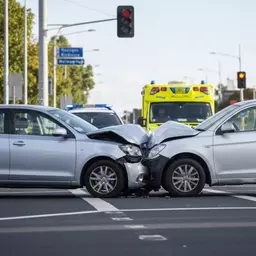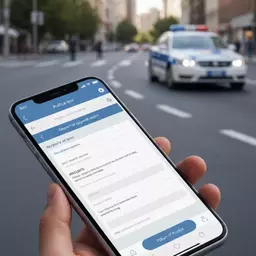

In the wake of a hit-and-run accident, understanding potential internal injuries is more critical than ever. These injuries often go unnoticed until their effects become severe, making awareness and quick action essential for recovery.
What You Will Learn
- Recognition of internal injuries can prevent life-threatening complications.
- Common signs of internal injuries include abdominal pain, confusion, and shock symptoms.
- Emergency medical attention is crucial if symptoms worsen or new symptoms develop post-accident.
- Local hospitals in Melbourne, like Royal Melbourne and St Vincent’s, are equipped to handle such emergencies effectively.
- First responders play a vital role in assessing and treating internal injuries immediately following an accident.
Risks and Emergency Measures for Internal Injuries After Hit-and-Run Crashes
Understanding the types of internal injuries, their silent dangers, and the critical steps for emergency response is vital for anyone involved in a hit-and-run accident. For more information on immediate actions, refer to our guide on what to do after a car crash.
Key Internal Injuries
- Internal bleeding
- Organ damage
- Traumatic brain injuries (TBIs)
- Ruptured spleen/liver
Silent Dangers
- Symptoms may not appear immediately (hours/days later)
- Can lead to severe health repercussions
- Organ failure or long-term disability
- Delay in treatment is dangerous
Emergency Symptoms
- Severe abdominal pain
- Shock (rapid heartbeat, pale skin)
- Confusion or disorientation
- Unexplained bruising/swelling
Crucial Actions
- Seek immediate medical attention
- Document the incident
- Contact insurance provider
- Consult a legal professional
Understanding Internal Injuries From Hit-and-Run Crashes in Melbourne
Car accidents can lead to a range of injuries, but internal injuries often pose a serious threat. These injuries include conditions such as internal bleeding and traumatic brain injuries (TBIs). They are particularly concerning because they can occur without visible signs, making them all the more dangerous. Understanding these injuries is crucial for anyone who has been involved in a hit-and-run incident.

Internal injuries can take many forms. Common types include:
- Internal bleeding
- Organ damage
- Traumatic brain injuries (TBIs)
- Ruptured spleens or livers
These injuries can result in serious complications if not treated promptly. At Pitstop Guide, we aim to empower you with the knowledge you need to act quickly in the aftermath of an accident.
What Are Internal Injuries and Why Do They Matter?
Internal injuries are injuries that affect the body's organs, often resulting from blunt force trauma. They matter significantly because, unlike external wounds, they may not present immediate symptoms. This can lead to a false sense of security, delaying necessary medical treatment. Recognizing their seriousness is vital for ensuring proper care and recovery.
Some common signs of internal injuries may include:
- Pain or swelling in the abdomen
- Signs of shock, such as confusion or lethargy
- Difficulty breathing
These symptoms can indicate a medical emergency and should be addressed without delay. As someone passionate about automotive safety, I encourage you to familiarize yourself with these signs to ensure safety for you and your loved ones in Melbourne. For a broader understanding of various injuries from car accidents, consider reading about car crash injuries: types and symptoms.
The Silent Dangers of Internal Injuries: What You Need to Know
One of the biggest challenges with internal injuries is that they can be sneaky. Symptoms may not surface immediately, often appearing hours or even days after the accident. This delay can lead to severe health repercussions, including organ failure or long-term disability.
It's essential to be vigilant about your health following a hit-and-run. If you experience any of the following after an accident, seek medical assistance immediately:
- Abdominal pain that worsens over time
- Unexplained bruising or swelling
- Confusion or disorientation
At Pitstop Guide, we understand that navigating these health concerns can be overwhelming. Remember, prioritizing your health and seeking care can make a significant difference in your recovery journey.
Emergency Signs of Internal Injuries After a Hit-and-Run
Recognizing Critical Symptoms: When to Seek Help
In the chaotic moments following a hit-and-run accident, it's vital to identify critical symptoms that indicate internal injuries. Symptoms like abdominal pain and shock can be life-threatening if left untreated.
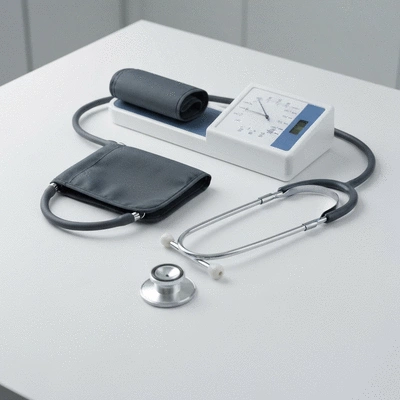
Here are some emergency signs to watch for:
- Severe abdominal pain
- Shock symptoms such as rapid heartbeat and pale skin
- Confusion or disorientation
If you notice any of these symptoms, don’t hesitate to call for help. At Pitstop Guide, we always emphasize that quick action can save lives.
Local Protocols and Resources for Medical Emergencies in Melbourne
Knowing where to go for medical help can make a huge difference after an accident. In Melbourne, several hospitals are equipped to handle emergencies:
- Royal Melbourne Hospital
- St Vincent’s Hospital
- Alfred Health
Each facility has protocols in place to address internal injuries swiftly. Be sure to seek help as soon as possible; early intervention is crucial for a better prognosis.
The Role of First Responders in Addressing Internal Injuries
First responders are often the first line of defense for individuals suffering from internal injuries. They assess the situation quickly and provide critical care on the scene. Their role includes:
- Evaluating the victim's condition
- Administering first aid
- Transporting the victim to the nearest medical facility
Understanding their role can provide reassurance that help is on the way. At Pitstop Guide, we believe in the importance of recognizing these heroes who help mitigate the effects of internal injuries during emergencies. For more details on responding to such incidents, see our article on responding to Melbourne hit-and-runs.
Pro Tip
Did you know? If you experience any symptoms after a hit-and-run accident, even if they seem mild, it's essential to seek medical attention promptly. Early diagnosis can prevent complications and ensure that any internal injuries are treated before they escalate.
Frequently Asked Questions About Internal Injuries After a Hit-and-Run
What are the most common internal injuries after a hit-and-run accident?
The most common internal injuries include internal bleeding, organ damage (such as to the spleen or liver), and traumatic brain injuries (TBIs). These can be particularly dangerous as they may not show immediate external signs.
Why are internal injuries considered "silent dangers"?
Internal injuries are called "silent dangers" because their symptoms may not appear immediately after an accident. They can manifest hours or even days later, leading to delayed treatment and potentially severe complications like organ failure or long-term disability.
What emergency symptoms should I look out for?
You should seek immediate medical attention if you experience severe abdominal pain, signs of shock (rapid heartbeat, pale skin, confusion), disorientation, difficulty breathing, or unexplained bruising/swelling after an accident.
Which hospitals in Melbourne are equipped to handle these emergencies?
In Melbourne, hospitals such as Royal Melbourne Hospital, St Vincent’s Hospital, and Alfred Health are well-equipped to handle emergencies involving internal injuries from car accidents.
What crucial steps should I take after a hit-and-run incident?
After ensuring your immediate safety, seek medical attention right away. Document the incident thoroughly (photos, witness statements), contact your insurance provider, and consult with a legal professional to understand your rights and options.
Summarizing the Risks and Resources for Hit-and-Run Victims
In the aftermath of a hit-and-run accident, the dangers of internal injuries cannot be overstated. These injuries can often go unnoticed until serious complications arise. Key risks include:
- Internal bleeding - This can lead to shock and even death if not treated quickly.
- Traumatic brain injuries (TBIs) - These may not show immediate symptoms, but can have long-lasting effects.
- Organ damage - Damage to vital organs may not be visible initially but requires immediate medical attention.
Recognizing these risks emphasizes the importance of seeking prompt medical care after an accident. Remember, your health and safety should always come first!
Take Action: Know Your Rights and Get Help
If you've been affected by a hit-and-run incident, it’s crucial to understand your rights and the resources available to you. Here are steps you can take:
- Seek medical attention - Don’t delay; many internal injuries require immediate care.
- Document the incident - Gather evidence such as photos of the scene and witness statements.
- Contact your insurance provider - They can assist you in understanding your coverage and the claims process.
- Consult with a legal professional - They can guide you through your legal options and help you file a compensation claim.
At Pitstop Guide, we’re here to support you through these challenging times. Don’t hesitate to reach out for assistance—knowing your rights and having the right support can make a significant difference in your recovery process.
Recap of Key Points
Here is a quick recap of the important points discussed in the article:
- Internal injuries, such as internal bleeding and traumatic brain injuries (TBIs), can occur without visible signs, making them particularly dangerous.
- Recognizing symptoms like abdominal pain, confusion, and difficulty breathing is crucial for timely medical intervention.
- Emergency signs, including severe abdominal pain and shock symptoms, should prompt immediate medical assistance.
- Know local resources in Melbourne, like Royal Melbourne Hospital and St Vincent’s Hospital, for prompt care.
- First responders play a vital role in assessing and transporting victims with internal injuries.
- Post-accident steps include seeking medical attention, documenting the incident, contacting your insurance, and consulting with legal professionals.