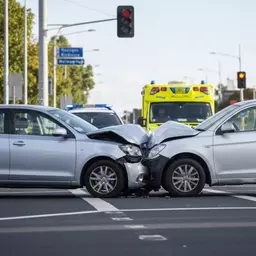

Consider this: head-on crashes account for approximately 20% of serious injuries in car accidents. Understanding these incidents can empower you to make safer choices on the road. Let’s dive into what you can learn from this exploration of head-on crashes in Melbourne.
What You Will Learn
- Head-on crashes are often high-speed collisions that result in severe injuries and vehicle damage.
- Approximately 20% of serious injuries in car accidents are due to head-on collisions.
- Driver behavior, including distraction and fatigue, significantly contributes to the occurrence of head-on accidents.
- Certain locations in Melbourne, such as major highways and specific intersections, are identified as high-risk areas for head-on crashes.
- Understanding the role of age and driving experience can help tailor educational efforts for safer driving.
- Implementing traffic barriers and clear signage can significantly reduce the risk of head-on crashes.
- Community education programs are essential in raising awareness about driver fatigue and promoting safer driving habits.
- Accessing data from VicRoads can help identify trends and hotspots for head-on crashes, empowering community advocacy for safer roads.
Key Insights into Head-On Crashes in Melbourne
Below is a visual summary of critical statistics and contributing factors related to head-on collisions, and their severity compared to other accident types.
Statistical Snapshot of Head-On Crashes
Severity of Injuries
20%
of all serious car accident injuries are due to head-on collisions.
Demographic Risk
Men aged 25-34
are involved in head-on accidents more frequently than other demographics.
Key Characteristics and Contributing Factors
- ● High Speeds
- ● Impaired/Distracted Drivers
- ● Poor Weather/Road Conditions
- ● Driver Fatigue
Comparative Severity: Head-On vs. Others
● Head-On Collisions
Result in significantly higher energy transfer and more severe injuries, often requiring extensive medical treatment.
● Rear-End / Side-Impact / Intersection Crashes
Typically involve lateral impacts, leading to different injury patterns and generally less severe outcomes compared to head-on collisions.
Common Locations & Risk Factors
- ✓ Major highways & arterial roads (often high-speed)
- ✓ Specific intersections (identified blackspots)
- ✓ Rural roads (lack of barriers, fatigue risk)
- ✓ Outer urban areas (long stretches, higher speeds)
Understanding Head-On Crashes in Melbourne: A Comprehensive Overview
Head-on crashes can be among the most serious types of vehicle accidents, and understanding them is crucial for all drivers in Melbourne. These incidents often occur when two vehicles collide frontally, leading to severe injuries and significant vehicle damage. At Pitstop Guide, I aim to provide you with clear insights so you can navigate this complex topic with confidence.
In this section, we will explore the characteristics, statistics, and factors related to head-on crashes to help you better understand the risks on our roads. For more information on various types of vehicular incidents, you can refer to our comprehensive guide on Melbourne Car Accident Types Explained.
Defining Head-On Crashes: What to Know
Head-on crashes are defined as collisions that occur when the front of one vehicle strikes the front of another vehicle. This type of accident can happen on highways, rural roads, and even city streets. Understanding the nuances of these crashes is essential for prevention and safety awareness.
Characteristics of Head-On Crashes
- Often occur at high speeds, increasing the risk of severe injuries.
- Commonly involve impaired or distracted drivers.
- Can be exacerbated by poor weather or road conditions.
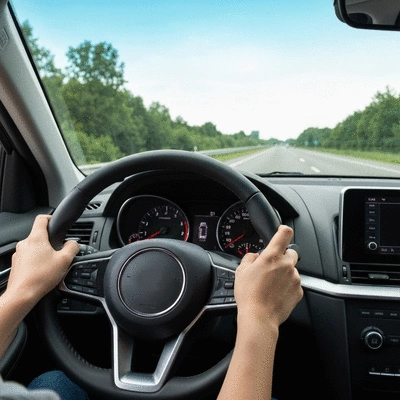
These characteristics highlight why it’s vital for all drivers to remain vigilant and aware of their surroundings at all times. At Pitstop Guide, I encourage you to assess your driving habits regularly.
Key Statistics: Recent Trends in Head-On Crashes
- Approximately 20% of all serious injuries in car accidents are due to head-on collisions.
- Recent data indicates a slight increase in head-on crashes in outer suburban areas of Melbourne.
- Men aged 25-34 are found to be involved in head-on accidents more frequently than other demographics.
These statistics are not just numbers; they represent lives affected by head-on crashes. By understanding these trends, we can work together to promote safer driving practices.
Understanding the Role of Driver Behavior in Head-On Collisions
The behavior of drivers plays a significant role in head-on collisions. Factors such as distraction, fatigue, and substance use can lead to impaired judgment and dangerous driving situations. It’s important to reflect on how these behaviors may influence your driving or the driving of those around you.
By being proactive about safe driving habits, we can reduce the risk of these serious accidents. I encourage you to share this knowledge with friends and family, fostering a community of safety on Melbourne's roads.
Identifying the Most Common Locations for Head-On Crashes
Understanding where head-on crashes commonly occur can help you stay alert and cautious while driving. Various factors contribute to the frequency of these accidents in specific areas.
Analysis of Crash Hot Spots in Melbourne
- Major highways and arterial roads are often sites of head-on collisions.
- Specific intersections within the city have shown higher crash rates.
- Rural roads frequently lack barriers, increasing risk factors.
Knowing these hot spots can aid in planning safer routes and avoiding high-risk areas whenever possible.
Outer Urban Areas and Their Higher Risk Factors
Outer urban areas of Melbourne often feature long stretches of road that can lead to driver fatigue or distraction. As these areas are typically less populated, drivers may feel more comfortable exceeding speed limits or engaging in risky behaviors, which can contribute to head-on crashes.
Staying alert and mindful while driving in these regions is crucial. Remember, the moment you let your guard down could be the moment an accident happens. For further guidance on what to do after an incident, read our After a Car Crash: Next Steps article.
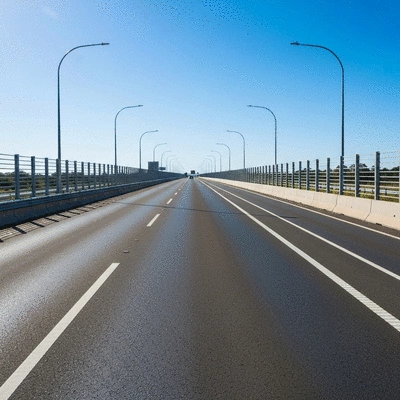
Exploring Blackspot Locations and Their Impact on Safety
Blackspot locations are areas identified as having a high incidence of crashes, including head-on collisions. These areas often lack adequate signage or protective barriers, making them particularly dangerous for drivers. Awareness of these blackspots is key to enhancing safety.
As part of our mission at Pitstop Guide, I encourage local drivers to familiarize themselves with these locations and advocate for improvements where needed. Together, we can make Melbourne’s roads safer for everyone!
Factors Contributing to Head-On Crashes
There are multiple factors that contribute to the occurrence of head-on crashes. By understanding these elements, you can better anticipate potential risks and drive with greater awareness.
The Role of Driver Fatigue in Serious Accidents
- Driver fatigue significantly increases reaction times.
- Long trips without breaks can lead to drowsiness.
- Fatigue is often underestimated as a risk factor.
Staying well-rested before embarking on any lengthy drive is crucial for your safety and the safety of others. Don’t underestimate the importance of taking breaks!
Demographic Influences: Understanding Age and Experience
Age and driving experience are significant factors in head-on crashes. Younger drivers, often lacking experience, may engage in risky behaviors, while older drivers might face challenges with reaction time. Understanding these demographics helps us tailor educational efforts to promote safer driving practices.
Engaging with community programs and workshops can help bridge the experience gap among drivers of all ages.
The Influence of Speed Limits and Traffic Laws on Crash Rates
Speed limits and adherence to traffic laws are fundamental to road safety. Understanding and respecting these laws can significantly decrease the likelihood of head-on crashes. Frequent violations of speed limits are often linked to increases in collision rates.
As a community, we must prioritize compliance with these laws to enhance safety on Melbourne’s roads.
Comparative Analysis: Head-On Crashes Versus Other Accident Types
Comparing head-on crashes with other types of incidents can provide valuable insights into their severity and implications for road safety.
Understanding the Severity of Head-On Collisions
- Head-on collisions often result in more severe injuries than rear-end or side-impact crashes.
- The energy transfer in a head-on crash is significantly higher, leading to greater damage.
- Victims of head-on crashes frequently require extensive medical treatment.
Recognizing the potential severity of these collisions can motivate drivers to practice safe driving habits consistently.
Insights on Intersection Crashes and Their Comparisons
Intersection crashes, while common, can vary in severity compared to head-on collisions. Often, these incidents involve lateral impacts, which can lead to different injury patterns. By understanding how these crashes differ, we can better equip ourselves to avoid them.
It's essential to remain vigilant at intersections, as they are frequent sites of accidents!
Evaluating Injury Prevention Strategies for Different Accident Types
Implementing effective injury prevention strategies is crucial for reducing the risks associated with different accident types. Community awareness programs and educational resources can play a vital role in this effort. At Pitstop Guide, we focus on providing accessible information that empowers drivers and passengers to make informed decisions.
By sharing insights and fostering a culture of safety, we can collectively work towards minimizing the impact of car accidents on our community.
Accessing Data and Resources for Further Understanding
To fully understand the dynamics of head-on crashes, accessing data and resources is essential. Various platforms provide valuable insights that can inform drivers and policymakers alike.
Utilizing VicRoads Datasets for In-Depth Analysis
- VicRoads offers comprehensive datasets on road crashes in Melbourne.
- Accessing these datasets can help identify trends and hotspots.
- Understanding this data empowers communities to advocate for safer roads.
Utilizing these resources not only benefits individual drivers but also strengthens community efforts towards improving overall road safety.
Visualizing Data: Maps and Infographics for Engagement
Maps and infographics can simplify complex data, making it more engaging and easier to understand. By visualizing crash data, we can better grasp the impact of head-on collisions and other accidents across Melbourne.
Sharing this information within our community can foster awareness and encourage proactive measures.
Emergency Services and Their Role in Responding to Crashes
Emergency services play a critical role in responding to crashes, including head-on incidents. Prompt response can significantly reduce the severity of injuries and improve outcomes for victims. At Pitstop Guide, we appreciate the hard work of these professionals and encourage everyone to understand their importance in our community.
Being aware of how emergency services operate can enhance your preparedness if you ever find yourself in a difficult situation on the road. For details on how to document an incident, refer to our Car Crash Reporting Checklist Victoria.
Pro Tip
Did you know? Taking regular breaks during long drives can significantly reduce the risk of head-on collisions caused by driver fatigue. Aim to stop every two hours to stretch, hydrate, and refocus your attention on the road.
Enhancing Road Safety: Prevention and Awareness Strategies
At Pitstop Guide, we believe that fostering road safety is a shared responsibility. Implementing effective prevention and awareness strategies can significantly reduce the number of head-on crashes in Melbourne. Here, we’ll explore practical measures that can be taken to enhance safety on our roads.
Practical Measures to Reduce Head-On Crashes
There are several practical steps we can all take to lessen the risks associated with head-on collisions. Here are some key strategies:
- Implementing Traffic Barriers: Installing physical barriers in high-risk areas can be a game-changer.
- Clear Signage: Proper signage alerts drivers to potential dangers ahead, such as sharp turns or upcoming intersections.
- Regular Road Maintenance: Ensuring our roads are well-maintained can help prevent crashes caused by poor conditions.
By focusing on these preventative measures, we can create a safer driving environment for everyone. It’s also essential to engage with local communities to spread awareness about driving responsibly and recognizing the signs of fatigue.
Community Education: Raising Awareness on Driver Fatigue
Driver fatigue is one of the leading causes of head-on crashes. At Pitstop Guide, we advocate for educational programs aimed at raising awareness around this issue. Simple initiatives can help:
- Workshops: Organizing community workshops can educate drivers on the dangers of fatigue.
- Information Campaigns: Providing resources through local media or social platforms to remind drivers to stay alert.
- Partnerships with Schools: Engaging young drivers with tailored content about the importance of staying well-rested.
These efforts can foster a culture of safety where all road users prioritize alertness and decision-making.
Strategies for Improving Road Infrastructure and Maintenance
Improving our road infrastructure plays a crucial role in reducing head-on collisions. It involves:
- Upgrading Road Design: Ensuring that roads are designed with safety in mind, including adequate lanes and clear markings.
- Enhanced Lighting: Installing better lighting in poorly lit areas can reduce accidents, especially at night.
- Regular Inspections: Conducting frequent inspections to identify and rectify potholes, and other dangerous conditions.
By proactively investing in our roads, we can help minimize risks and promote safer driving conditions.
Real Stories: The Human Impact of Head-On Crashes
Understanding the real-life implications of head-on crashes can motivate change in our community. Sharing victim accounts is essential in promoting empathy and understanding.
Sharing Victim Accounts to Promote Understanding and Empathy
Every incident has a story, and hearing from those affected can be a powerful motivator for others. Victim stories often highlight:
- The Emotional Toll: The psychological impact on victims and their families can be profound.
- Long-Term Consequences: Some survivors face lifelong physical challenges due to their injuries.
- Community Support: Many victims find strength in communal ties and shared experiences.
These narratives remind us of the human cost behind the statistics and encourage us to take action.
Highlighting Local Initiatives and Support Groups
In Melbourne, several local initiatives and support groups work tirelessly to assist victims of head-on crashes. Engaging with these organizations can aid in recovery:
- Support Groups: They provide emotional support, allowing victims to share experiences and coping strategies.
- Awareness Programs: Many groups focus on educating the public about the importance of road safety.
- Fundraising Events: These initiatives help raise funds for victims and their families in need.
By shining a light on these groups, we can foster a supportive community that promotes healing and safety.
The Role of Personal Injury Claims in Supporting Victims
Personal injury claims often become a crucial lifeline for those impacted by head-on crashes. They can provide compensation for:
- Medical Expenses: Covering treatment costs and ongoing care.
- Lost Wages: Ensuring victims can maintain financial stability during recovery.
- Pain and Suffering: Acknowledging the emotional distress caused by these incidents.
At Pitstop Guide, we emphasize the importance of understanding your rights and options after an accident. Navigating this process can be daunting, but knowing you have support can make a difference.
Frequently Asked Questions About Head-On Crashes
- What percentage of serious car accident injuries are due to head-on collisions?
- Approximately 20% of all serious injuries in car accidents are a result of head-on collisions.
- What are the main contributing factors to head-on crashes?
- Key factors include high speeds, impaired or distracted drivers, poor weather/road conditions, and driver fatigue.
- Which demographic is most frequently involved in head-on crashes?
- Men aged 25-34 are found to be involved in head-on accidents more frequently than other demographics.
- Where are head-on crashes most likely to occur in Melbourne?
- Major highways, arterial roads, specific intersections (blackspots), rural roads lacking barriers, and outer urban areas with long stretches of road are common locations.
- How do head-on crashes compare in severity to other accident types?
- Head-on collisions typically result in significantly higher energy transfer and more severe injuries, often requiring extensive medical treatment, compared to rear-end or side-impact crashes.
- What practical measures can reduce head-on crashes?
- Implementing traffic barriers, clear signage, regular road maintenance, and community education programs on driver fatigue are crucial practical measures.
Recap of Key Points
Here is a quick recap of the important points discussed in the article:
- Head-on crashes occur when the front of one vehicle collides with the front of another, often resulting in severe injuries.
- Around 20% of serious injuries in car accidents are attributed to head-on collisions, with a notable rise in such incidents in outer suburban areas of Melbourne.
- Factors such as distracted or impaired driving, driver fatigue, and environmental conditions significantly contribute to the occurrence of head-on crashes.
- Identifying crash hot spots, including major highways and rural roads, can help drivers stay alert and avoid high-risk areas.
- Community education and improved road infrastructure are crucial strategies for reducing the incidence of head-on collisions and enhancing overall road safety.