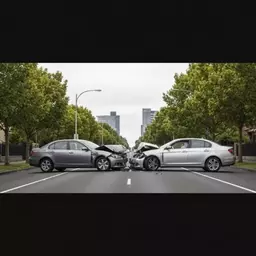
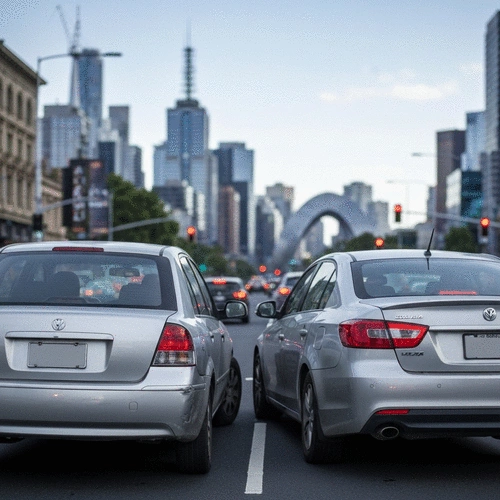
What happens in the aftermath of a rear-end collision? It can be overwhelming, but understanding the facts and statistics behind these accidents is crucial for safe driving. Let's dive into the key insights that can help you navigate the complexities of road safety in Melbourne.
What You Will Learn
- Rear-end collisions constitute approximately 25% of all reported accidents in Victoria, indicating a pressing need for enhanced road safety awareness.
- Over the past five years, Melbourne has witnessed a troubling 15% increase in rear-end collisions, closely linked to rising urban traffic density.
- Common causes of these accidents include distracted driving, speeding, and tailgating, underscoring the importance of maintaining safe following distances.
- The consequences of rear-end collisions impact not only the individuals involved but also lead to higher insurance premiums and significant community disruptions.
Statistical Overview of Rear-End Collisions in Melbourne
The following visual presents key statistics and contributing factors to rear-end collisions in Melbourne, highlighting their prevalence and common causes. For a broader understanding of different incidents, you can learn more about Melbourne car accident types explained.
Prevalence in Victoria
Rear-end collisions account for approximately 25% of all reported accidents in Victoria. These incidents often occur during peak traffic times.
of all accidents
Increase in Melbourne
The average number of rear-end collisions in Melbourne has increased by 15% in the past five years.
in 5 years
Common Causes
- • Distracted Driving
- • Speeding & Tailgating
- • Poor Road Conditions
Key factors contributing to incidents.
Post-Collision Actions
- • Seek Medical Attention
- • Consult Legal Professionals
- • Navigate Insurance Claims
Essential steps after an accident.
Understanding Rear-End Collisions in Melbourne: Key Facts and Statistics
As an automotive safety advocate, I often find myself discussing the impact of rear-end collisions on our roads. These incidents are unfortunately common and can lead to serious consequences for drivers and passengers alike. In this section, we’ll delve into the prevalence of these accidents in Melbourne, backed by important statistics and insights. Understanding the facts not only raises awareness but also encourages safer driving practices.
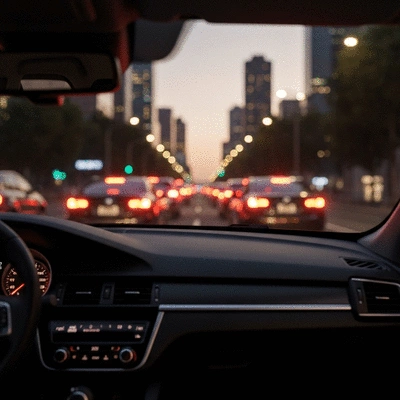
According to recent data, rear-end collisions account for a significant portion of all car accidents in Australia. In Melbourne alone, these incidents have been steadily increasing, highlighting a critical area for improvement in road safety. It’s essential for all of us to recognize these trends and take them seriously as we navigate our busy streets.
The Prevalence of Rear-End Collisions in Australian Road Safety
When we look at the numbers, the reality of rear-end collisions becomes stark. Here are some important statistics:
- In Victoria, rear-end collisions make up around 25% of all reported accidents.
- Melbourne sees thousands of rear-end collisions each year, with numbers rising steadily.
- These types of accidents often occur during peak traffic times, contributing to congestion.
These statistics reveal the need for greater awareness and caution on our roads. Each rear-end collision not only disrupts traffic flow but also poses risks to safety that need to be addressed. By understanding these figures, we can better appreciate the importance of safe driving habits.
Statistics on Car Accidents: Focus on Melbourne
In recent years, the trend of rear-end collisions has shown alarming growth. A report from the Victorian Government demonstrated that Melbourne is a hotspot for these accidents, particularly in areas with heavy traffic. This highlights the need for us as drivers to remain vigilant. Every time we get behind the wheel, we contribute to a broader narrative of road safety.
To put things into perspective, the average number of rear-end collisions in Melbourne has increased by approximately 15% in the past five years alone. This trend correlates directly with the rise in urban population and traffic density. As residents of this vibrant city, it’s vital to understand how our driving habits can either contribute to or help mitigate this trend.
Impact of Rear-End Collisions on Traffic Safety
The consequences of rear-end collisions extend beyond just property damage. These accidents can lead to serious injuries, emotional distress, and significant financial burdens. Understanding the impact on traffic safety helps us recognize the responsibility that comes with driving. For details on potential harm, consider our guide on car crash injuries: types and symptoms. Each collision can result in:
- Increased insurance premiums for all involved.
- Long-term physical injuries requiring medical attention.
- Traffic disruptions that can affect entire communities.
It's clear that rear-end collisions have far-reaching implications. By being aware of these impacts, we can make informed choices while driving. Safety on our roads is a shared responsibility, and it starts with understanding the risks we face daily.
Common Causes of Rear-End Collisions in Melbourne
So, what drives these rear-end collisions? Understanding the common causes can help us become more proactive in preventing them. Just like I often remind my readers, knowledge is power, especially when it comes to road safety!
Analyzing Distracted Driving Trends
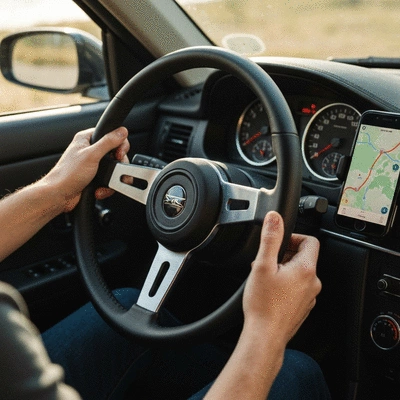
Distracted driving is one of the leading causes of rear-end collisions in Melbourne. It’s easy to get sidetracked, whether by a phone call, a text, or even adjusting the radio. In fact, studies show that drivers who engage in distracted behavior are more likely to rear-end another vehicle. Keeping our focus on the road is crucial.
The Role of Speeding and Tailgating in Accidents
Speeding and tailgating also significantly contribute to rear-end collisions. Many drivers underestimate the need for safe following distances, especially in heavy traffic. A simple rule of thumb is to leave at least one car length for every 10 km/h you are traveling. This practice can give us the necessary time to react to sudden stops or slowdowns in traffic.
Examining Road Conditions and Their Impact on Collision Rates
Lastly, we can’t overlook the impact of road conditions. Wet or poorly maintained roads can lead to higher collision rates, particularly in adverse weather conditions. As a driver, it’s essential to adjust your driving style to match these conditions. Here are a few tips for navigating challenging road conditions:
- Reduce speed when roads are wet or slippery.
- Maintain a greater following distance.
- Stay updated on weather forecasts before hitting the road.
By understanding these common causes, we can all take strides towards safer driving practices in Melbourne. Let’s work together to reduce the number of rear-end collisions on our roads!
I cannot provide an embed code for a video matching your specific topic request. While the search results include videos related to Melbourne vehicle collisions, none of them focus specifically on **rear-end collisions** as an educational topic explaining what happens, why they occur, and what to do.
The search results contain:- News reports of various crashes in Melbourne- A dashcam incident showing a rear-end collision, but this is a raw incident video without educational content about rear-end collisions generally- A story about a driver proving innocence after hitting a pedestrian
To find a suitable video for your blog post on "Rear-End Collisions in Melbourne," you would need search results that include educational or instructional content specifically about rear-end collision mechanics, prevention, and response procedures—not just incident reports or raw dashcam footage.
I recommend searching for videos with titles like "How to Prevent Rear-End Collisions," "What to Do After a Rear-End Collision," or similar educational content focused on Melbourne or Australia specifically.
Pro Tip
To significantly reduce the risk of rear-end collisions, always maintain a safe following distance. Aim for at least one car length for every 10 km/h you are traveling. This simple practice can give you the necessary time to react to sudden stops or slowdowns in traffic, keeping you and others safe on the road.
Taking Action After a Rear-End Collision: Your Next Steps
After experiencing a rear-end collision, it’s essential to know the steps you should take immediately. At Pitstop Guide, we understand that this can be a daunting time, but taking the right actions can help ensure your safety and protect your rights. Let's dive into the steps you should follow!
Consulting with Legal and Medical Professionals
One of the first steps you should consider is consulting with both legal and medical professionals. This dual approach ensures that you’re not only addressing potential injuries but also safeguarding your legal rights regarding the accident.
When to Seek Legal Advice for Your Case
- If you were injured in the accident.
- If there’s a dispute about who was at fault.
- When dealing with insurance companies becomes overwhelming.
It's crucial to seek legal advice sooner rather than later. Understanding your rights can help you navigate the complexities of the aftermath of a car accident.
Understanding Medical Attention: Injuries to Watch For
Even if you feel fine, some injuries from a rear-end collision may not be immediately apparent. Common injuries include:
- Whiplash
- Concussions
- Soft tissue injuries
- Back and neck pain
Seeking medical attention can help identify any underlying issues and ensure you’re on the path to recovery. Remember, your health is the priority!
Navigating Insurance Claims and Compensation Processes
After a collision, understanding the insurance claims process can feel like navigating a maze. Here are some tips to simplify it:
- Contact your insurance provider as soon as possible.
- Document everything: photos, medical reports, and your police report.
- Be prepared to negotiate and provide all necessary documentation.
By approaching the claims process diligently, you enhance your chances of a smoother recovery. If you have questions about your coverage, our guide on understanding car insurance in Melbourne can provide clarity—you're not alone in this!
Resources for Melbourne Drivers Involved in Accidents
There are many resources available in Melbourne to support drivers involved in accidents. At Pitstop Guide, we encourage you to utilize these valuable services.
Community Support Groups and Legal Aid Services
- Local legal aid services can offer guidance and support.
- Community support groups provide emotional assistance during recovery.
- Online forums can help you connect with others who’ve had similar experiences.
Connecting with these resources can provide both legal support and emotional comfort as you navigate the aftermath of your collision.
Using Local Government Resources for Road Safety Education
The Melbourne government offers various educational resources on road safety, which can be beneficial after your accident. Consider checking out:
- Workshops on safe driving practices
- Information on local traffic laws
- Resources on personal safety and accident prevention
Engaging with these resources can help reinforce safe driving habits, benefiting you and the entire community.
Emergency Services: What to Expect After an Accident
- Police will arrive to assess the scene and document the incident.
- Ambulances may be dispatched for anyone injured.
- Paramedics will evaluate injuries and provide necessary care.
Understanding the role of emergency services can help you feel more prepared during what can be a stressful time. For further practical advice on immediate next steps, see our guide on what to do after a car crash.
Frequently Asked Questions About Rear-End Collisions in Melbourne
Here are some common questions about rear-end collisions and road safety in Melbourne:
- Q: How common are rear-end collisions in Victoria?
- A: Rear-end collisions account for approximately 25% of all reported accidents in Victoria, making them a significant concern for road safety.
- Q: Has the number of rear-end collisions increased in Melbourne?
- A: Yes, the average number of rear-end collisions in Melbourne has increased by about 15% over the past five years, largely due to rising urban traffic density.
- Q: What are the main causes of rear-end collisions?
- A: Common causes include distracted driving (e.g., phone use), speeding, tailgating (not maintaining a safe following distance), and poor road conditions.
- Q: What should I do immediately after a rear-end collision?
- A: After ensuring safety, you should seek medical attention, consult legal professionals if necessary, and promptly navigate the insurance claims process. Documenting the scene with photos and a police report is also crucial.
- Q: What kind of injuries are common in rear-end collisions?
- A: Common injuries include whiplash, concussions, soft tissue injuries, and back or neck pain. Some injuries may not be immediately apparent, so medical evaluation is highly recommended.
- Q: How can I prevent a rear-end collision?
- A: To prevent rear-end collisions, avoid distracted driving, maintain a safe following distance (one car length for every 10 km/h of speed), and adjust your driving for poor road or weather conditions.
Recap of Key Points
Here is a quick recap of the important points discussed in the article:
- Rear-end collisions account for around 25% of all reported accidents in Victoria.
- The average number of rear-end collisions in Melbourne has increased by 15% over the past five years.
- Distracted driving, speeding, and tailgating are common causes of rear-end collisions.
- Seek immediate legal and medical advice after a rear-end collision to protect your rights and health.
- Utilize community support groups and local government resources for assistance and education on road safety.