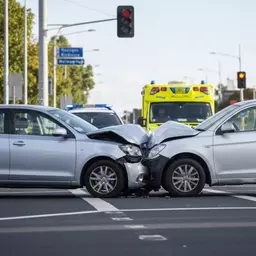
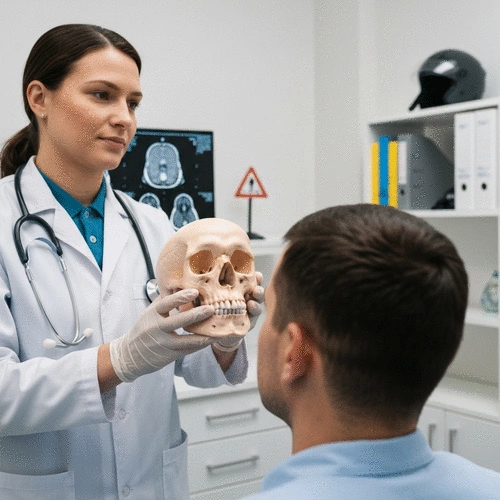
In a world where traffic accidents are a grim reality, understanding the complexities of head injuries can significantly impact your safety and recovery. With alarming statistics showing that head injuries account for a substantial portion of serious injuries from car collisions, it’s crucial to educate yourself about the risks and preventive measures. What will you learn from this article? Let's break it down.
What You Will Learn
- Recognize the common types of head injuries, including concussions, lacerations, and fractures, and their symptoms.
- Understand the importance of immediate medical attention and monitoring for concussion symptoms after a collision.
- Gain insight into the statistics surrounding traffic accidents in Melbourne, emphasizing the prevalence of head injuries.
- Identify high-risk demographics, including senior citizens and young drivers, and their increased susceptibility to head injuries.
- Explore actionable steps to enhance personal and community safety by raising awareness and practicing safe driving habits.
Melbourne Traffic Accidents: Head Injury Statistics & High-Risk Demographics
An overview of critical statistics regarding head injuries from traffic collisions and the demographics most affected, highlighting areas for targeted safety initiatives. For more detailed information on various accident scenarios, consider reviewing common Melbourne car accident types explained.
Statistics on Head Injuries
Approximately 20% of all traffic accident victims suffer from head injuries.
Hospitalizations
Over 500 hospitalizations recorded due to serious head trauma.
High-Risk Group: Pedestrians
Pedestrians account for a significant portion of head injury cases.
High-Risk Group: DUI
DUI-related accidents are linked to higher rates of head injuries.
Vulnerable Group: Senior Citizens
Age-related factors increase susceptibility to severe head injuries.
Vulnerable Group: Young Drivers
Inexperience contributes to higher accident rates and head injuries.
Understanding Head Injuries from Traffic Collisions in Melbourne
When it comes to car accidents, head injuries can be particularly concerning. In Melbourne, the aftermath of a traffic collision can leave victims and their families grappling with serious health implications. At Pitstop Guide, we aim to equip you with the knowledge to understand these injuries and their potential impacts on your life.
In this article, we’ll delve into the types of head injuries, relevant statistics, and high-risk demographics, so you can be proactive about your safety and that of your loved ones. Let's start by exploring the common types of head injuries resulting from car accidents.
What Are the Common Types of Head Injuries in Car Accidents?
Head injuries can manifest in various forms, each with distinct symptoms and levels of severity. Recognizing these injuries early can significantly affect recovery outcomes.
- Concussions: A common type of brain injury, concussions often occur due to the brain bouncing against the skull.
- Lacerations: These are cuts or tears in the skin or tissues surrounding the brain, often requiring medical attention.
- Fractures: Skull fractures can occur when the skull suffers a direct impact, leading to potential complications.
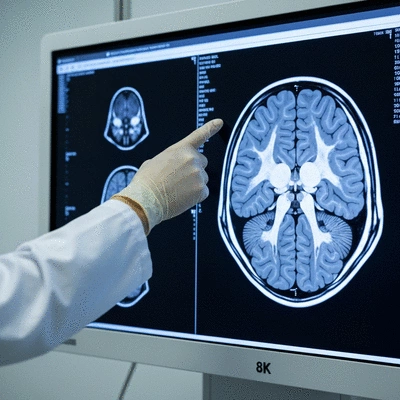
Understanding these injuries is essential for appropriate treatment. For instance, a concussion may not always present immediate symptoms, so staying alert to any changes in behavior or cognition post-accident is crucial. If you've been in an accident, knowing how to approach assessing injuries after car accidents is vital.
Overview of Brain Injuries from Car Accidents
Brain injuries can range from mild to severe, depending on the force of the impact. Even minor accidents can lead to serious consequences if the head is jolted. It is important to be aware of potential symptoms, which can include headaches, dizziness, and confusion.
Long-term effects can include cognitive difficulties and emotional changes. A thorough assessment by a healthcare professional is essential following any collision that involves a blow to the head.
Understanding the Severity of Lacerations and Fractures
Lacerations and fractures can vary significantly in severity. While some may heal with minimal intervention, others might require surgical procedures. For example, a small laceration might simply need stitches, while a fracture could necessitate more complex treatment and rehabilitation.
Recognizing the signs of these injuries early can make a major difference. Swelling, unusual bleeding, or visible deformities should prompt immediate medical attention.
Recognizing Concussion Symptoms After a Collision
After a car accident, it’s imperative to monitor for signs of a concussion. Symptoms can be subtle but may include:
- Headaches
- Nausea or vomiting
- Balance issues
- Memory problems
If you or a passenger experience these symptoms, seek medical assistance as soon as possible. Early diagnosis and intervention are key to preventing long-term damage.
Statistics on Traffic Accidents in Melbourne
Understanding the statistics surrounding traffic accidents can help us grasp the gravity of head injuries in our community. In Melbourne, traffic collisions are a significant public health concern.
According to recent data, head injuries account for a large portion of severe injuries sustained in these accidents. Awareness of these statistics is crucial for effective prevention measures.
Car Accident Statistics in Melbourne: A Closer Look
In the past year, Melbourne has seen a notable number of reported traffic accidents leading to head injuries:
- Approximately 20% of all traffic accident victims suffer from head injuries.
- Over 500 hospitalizations were recorded due to serious head trauma.
- Pedestrians account for a significant portion of head injury cases.
These figures highlight the need for increased awareness and safety measures to protect drivers and pedestrians alike.
Head-On Collisions: The Deadliest Accident Type
Head-on collisions are particularly dangerous, often resulting in severe injuries or fatalities. The impact from these accidents can lead to a higher incidence of head injuries due to the force involved. For more in-depth information, you can read about understanding head-on crashes in Melbourne.
Being aware of this risk can prompt drivers to exercise extra caution, especially in areas where head-on collisions are more likely to occur.
Impact of Driving Under Influence (DUI) on Accident Rates
Driving under the influence remains a significant contributor to traffic accidents in Melbourne. When drivers are impaired, their ability to respond quickly is diminished, increasing the likelihood of severe crashes.
Statistics show that DUI-related accidents are often linked to higher rates of head injuries, underscoring the importance of responsible driving.
High-Risk Demographics in Melbourne
Understanding which demographics are more vulnerable to head injuries can help us tailor safety initiatives effectively. Certain groups face higher risks due to various factors.
- Senior Citizens: Age-related factors can lead to increased susceptibility to severe head injuries.
- Young Drivers: Inexperience contributes to a higher incidence of traffic accidents among younger drivers.
- Distracted Drivers: This group remains a significant challenge, with distractions leading to many accidents.
By focusing on these high-risk demographics, we can implement targeted education and outreach programs to enhance safety on Melbourne’s roads.
Senior Citizens: Disproportionate Rates of Head Injuries
Older adults tend to experience more severe consequences from head injuries due to factors like frailty and existing health conditions. As a result, it’s vital for this demographic to exercise caution while driving.
Encouraging safe driving practices and offering community support can help mitigate risks for our senior residents.
Young Drivers and Risk Factors Associated with Head Injuries
Younger drivers often lack experience, which can contribute to risky driving behaviors. This group is more likely to engage in speeding or distractions while driving, both of which can lead to accidents.
Education around the importance of safe driving can help reduce head injury rates among this demographic.
Understanding the Role of Distracted Driving in Accidents
Distracted driving is a prevalent issue in Melbourne, and it significantly increases the risk of head injuries in car accidents. Common distractions include mobile phone usage, eating, or adjusting the radio.
By raising awareness of the dangers of distracted driving, we can work towards creating safer roads for everyone.
Did You Know?
Head injuries account for approximately 20% of all traffic accident victims in Melbourne. This staggering statistic highlights the importance of being aware of potential risks and understanding the types of head injuries that can occur during a collision.
Staying informed not only helps you protect yourself but also empowers you to keep your loved ones safe on the roads. Make safety a priority!
Summarizing Key Insights on Head Injuries from Traffic Collisions
Understanding the complexities of head injuries resulting from traffic collisions is vital for every driver in Melbourne. At Pitstop Guide, we believe that knowledge is power, especially when it comes to road safety. Being aware of the types of injuries, their symptoms, and preventive measures can help reduce the risk of serious consequences during an accident.
In this section, we’ll explore the importance of awareness, the community's role in improving safety, and actionable steps you can take to protect yourself and others on the road.
Importance of Awareness and Education
Driving safely in Melbourne is not just a personal responsibility; it’s a community endeavor. By educating ourselves and others about traffic safety, we can collectively minimize the risks associated with head injuries. Here are some key points to keep in mind:
- Understanding the signs of head injuries can lead to quicker responses.
- Regularly attending community safety workshops can enhance your knowledge.
- Sharing information with friends and family fosters a culture of safety.

When we actively engage in learning about traffic safety, we pave the way for a more informed driving community. It’s essential to recognize that each of us plays a part in making Melbourne roads safer. If you are ever involved in a crash, knowing the next steps after a car crash can be incredibly helpful.
Driving Safely in Melbourne: Your Responsibility
Every time you hit the road, you have a responsibility to yourself and others. Practicing defensive driving and staying aware of your surroundings can help prevent accidents from occurring in the first place. Remember, your choices matter!
The Role of Community in Reducing Traffic Collisions
A strong community can drive significant change. By participating in local initiatives, you can help raise awareness about the dangers of distracted driving and other risky behaviors. Here are some community efforts that can make a difference:
- Organizing neighborhood watch programs that focus on traffic safety.
- Collaborating with local schools to teach students about safe driving practices.
- Engaging local businesses to support safety campaigns.
These collective efforts can create a ripple effect, leading to a safer environment for everyone.
Public Health Initiatives for Traffic Safety Awareness
Governments and organizations often launch public health campaigns to raise awareness about the consequences of traffic collisions. Staying informed about these initiatives can help you understand the resources available for education and prevention. Additionally, it encourages community participation, which is crucial for enhancing safety on the roads.
Taking Action: What You Can Do Now
Now that we've covered the significance of awareness, let’s focus on actionable steps you can take right now! Preparing yourself mentally and physically for driving can significantly decrease the likelihood of accidents.
- Always wear your seatbelt and ensure passengers do the same.
- Avoid distractions such as mobile devices while driving.
- Set a positive mindset before getting behind the wheel.
By adopting these simple practices, you not only protect yourself but also contribute to the safety of others on the road.
Preparing to Drive: Safety Measures and Mindset
Before you get into your car, take a moment to assess your readiness. Are you feeling alert and focused? Ensuring that your state of mind is conducive to safe driving is just as important as checking your vehicle’s condition.
Seeking Help: Medical and Legal Resources in Melbourne
If you or someone you know has been involved in a traffic collision, it’s vital to seek appropriate medical and legal help. Resources like Pitstop Guide can provide valuable information on local medical facilities and legal representation specific to head injuries. Don't hesitate to reach out for support!
Understanding the Psychological Impact of Head Injuries
It's essential to recognize that head injuries can have lasting psychological effects, in addition to physical ones. Many individuals may experience anxiety, depression, or post-traumatic stress after an accident. Seeking professional help can be a crucial step in the recovery process, and talking to someone who understands can make a big difference.
Frequently Asked Questions (FAQs)
Q1: What are the most common types of head injuries sustained in car accidents?
A1: The most common types include concussions, lacerations (cuts or tears in the skin/tissues), and fractures (skull fractures). Each varies in severity and requires specific medical attention.
Q2: What percentage of traffic accident victims in Melbourne suffer from head injuries?
A2: Approximately 20% of all traffic accident victims in Melbourne suffer from head injuries, highlighting the significant prevalence of these injuries.
Q3: Why is immediate medical attention important after a collision, even if symptoms seem minor?
A3: Immediate medical attention is crucial because some head injuries, like concussions, may not present symptoms right away. Early diagnosis and intervention can prevent long-term complications and ensure proper recovery.
Q4: Which demographics are considered high-risk for head injuries in car accidents?
A4: High-risk demographics include senior citizens (due to frailty and existing health conditions), young drivers (due to inexperience and risky behaviors), and individuals involved in DUI-related or distracted driving accidents.
Q5: What are some actionable steps drivers can take to reduce the risk of head injuries?
A5: Key actionable steps include always wearing seatbelts, avoiding distractions (especially mobile devices), practicing defensive driving, and maintaining a positive mindset behind the wheel. Community involvement and education also play a significant role.
Recap of Key Points
- Common types of head injuries include concussions, lacerations, and fractures, each requiring prompt recognition and treatment.
- Monitoring for concussion symptoms such as headaches, nausea, and memory issues is crucial after a collision.
- Statistics indicate that approximately 20% of traffic accident victims in Melbourne suffer from head injuries, highlighting the need for awareness and safety measures.
- High-risk demographics include senior citizens, young drivers, and distracted drivers, who are more susceptible to severe head injuries.
- Community education and involvement are key in promoting road safety and reducing the incidence of traffic collisions.
- Practicing defensive driving, avoiding distractions, and understanding the psychological impacts of head injuries are essential for every driver.